


The Critical Fight Against Aerospace Obsolescence
The aerospace industry, often celebrated for its cutting-edge innovations like stealth aircraft and autonomous drones, faces a significant, yet often overlooked, challenge: aerospace obsolescence. From half-century-old airplane designs to crumbling factories and outdated software, this pervasive issue within the aerospace supply chain is hindering progress and demanding urgent attention. Addressing these aerospace industry challenges is crucial for sustained growth.
In a recent Aviation Week podcast, “Aerospace’s Achilles Heel: Obsolescence,” sponsored by ACS, Joe Anselmo, Aviation Week’s editorial director, dove into the scale of this problem and potential solutions. He was joined by ACS expert, Darryn La Zar, Senior Director, Business Development, and NI expert Matt Anderson, Business Line Lead for Electronic and Electromechanical Tests (the test and measurement division of Emerson). Together, they comprehensively addressed the multifaceted aspects of aerospace obsolescence, including:
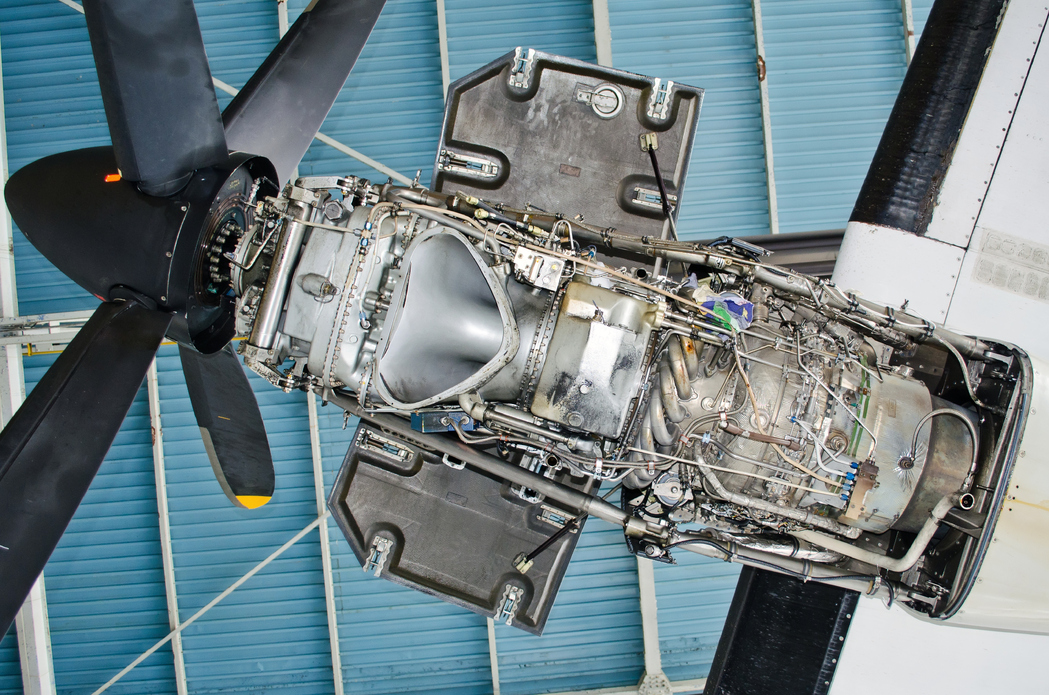
- Real-world impacts of obsolescence – Outdated technology in aerospace manifests as inefficient operations, safety risks, and financial strain, collectively impeding advancement. It’s common to find decades-old equipment in Tier One supplier facilities, struggling to meet new demands. Stark examples include ATP testers still running on Commodore 64s and data stored on floppy drives, highlighting significant technology gaps and the vast technological span from “pen and paper” to cutting-edge systems. These are significant aerospace industry challenges that require innovative solutions to secure the future of the aerospace industry.
- A “perfect storm” for aerospace – Obsolescence is prevalent across OEMs, Tier One suppliers, and lower tiers. This “perfect storm” is driven by a renewed space race, geopolitical tensions, the booming EV market, the electrification of tools, and reduced manpower, pushing existing facilities and technologies to their limits. The industry faces a dichotomy: needing to embrace the latest technology to stay competitive while simultaneously managing legacy systems.
- The role of AI and investment – AI can synthesize IoT data for actionable insights, but aerospace must adopt it cautiously due to security concerns. Underinvestment, driven by outdated financial models, forces a “modernize or die” choice for some suppliers. The industry needs to shift from large, one-time outlays to continuous, incremental investment in upgrades to overcome these aerospace industry challenges and ensure the future of the aerospace industry.
- Government and disruptors – Government entities are seeking more agile budgeting and modular product development, which could lead to new opportunities for non-traditional contractors. Innovative companies are demonstrating disruptive approaches by integrating technology development directly into their manufacturing processes, accelerating adoption. This proactive approach is vital for addressing aerospace obsolescence and shaping the future of the aerospace industry.
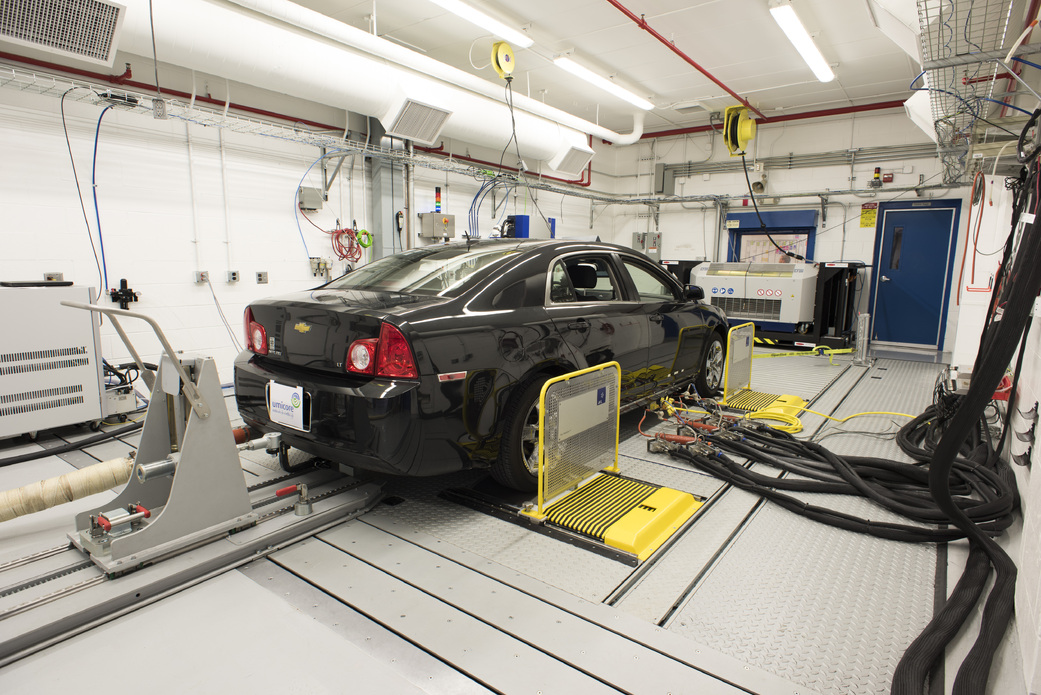
- Lessons from automotive and future-proofing – The automotive industry’s higher volumes and faster innovation offer valuable lessons, allowing earlier technology investment, cost reduction through scale, and proving out technologies that aerospace can then adopt, mitigating inherent risks. “Future-proofing” facilities involves designing for scalability and incremental expansion from the outset, capturing large infrastructure investments initially and adding modular components as needs evolve, rather than overengineering.
Anselmo concluded the discussion by inviting La Zar and Anderson to evaluate the aerospace industry’s progress in addressing aerospace obsolescence. La Zar assessed the industry’s efforts as a “B-minus,” acknowledging a notable increase in attention to the issue. Anderson offered a slightly more critical assessment, assigning a “C-plus,” noting that while the industry recognizes the problem and the necessity for action, a clear and defined path forward remains to be established.
This critical conversation underscores the need for the aerospace industry to proactively address obsolescence, not merely as a maintenance concern, but as a strategic challenge vital for ensuring sustained progress and global competitiveness.
Listen to the full podcast here.