

How Operational Realities Should Drive Your Industrial Design and Equipment
Custom machinery design often falls victim to a hidden productivity killer: the over-engineering trap. While precision is a cornerstone of engineering, adding unnecessary complexity, redundant features, or unrealistic equipment specifications leads to ballooning budgets and missed milestones. Overcoming these pitfalls requires a shift from “perfect” design to “pragmatic” design within industrial design and equipment sectors, ensuring that every engineering hour spent translates directly into operational value.
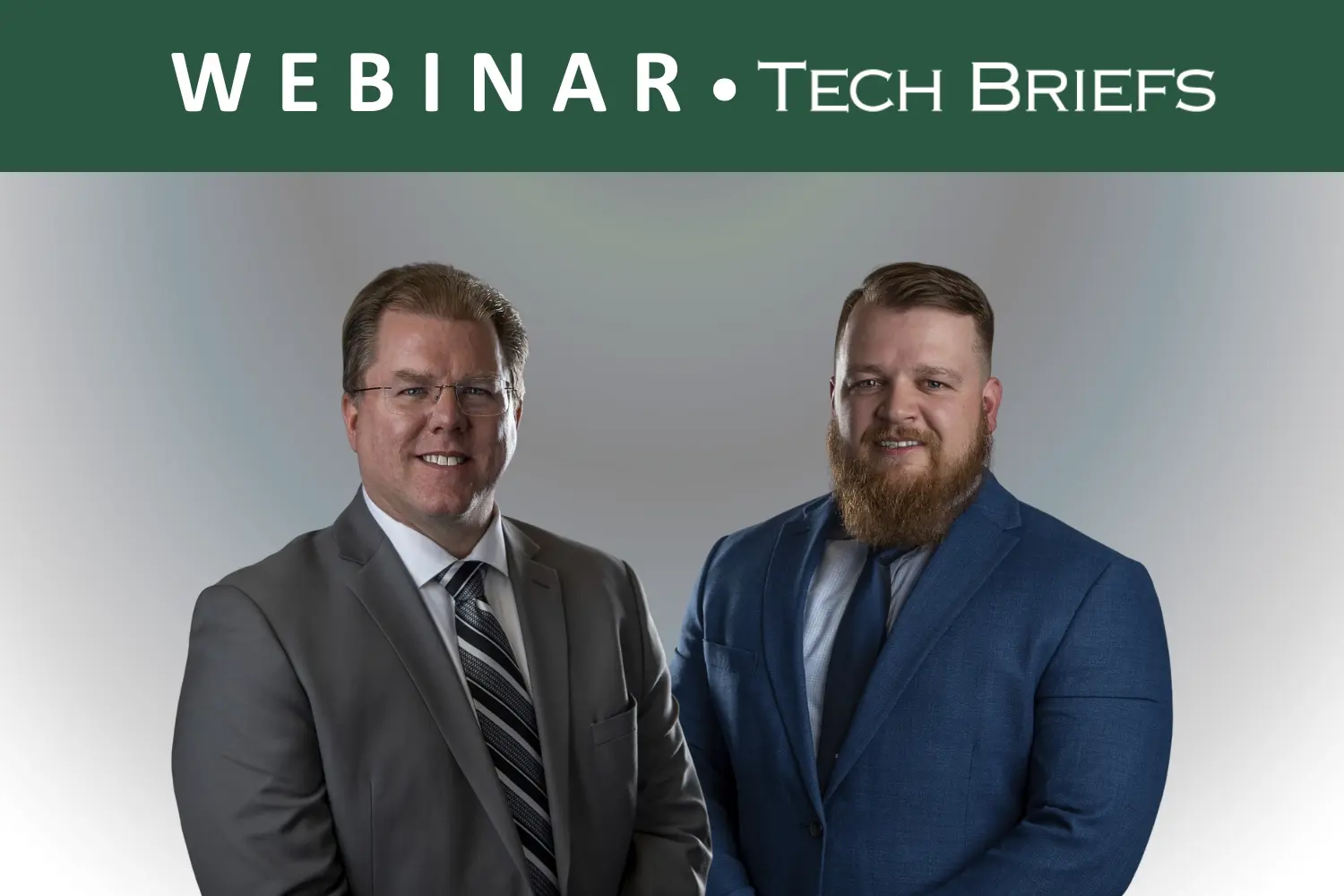
This educational webinar, published in SAE International, featuring ACS equipment project managers Greg Larson and Ben Longstreet, explores how to align custom equipment specifications with the reality of the plant floor. By distinguishing between “mission-critical” needs and over-engineering bloat, Greg and Ben provide a framework for delivering high-performance machinery without the waste often found in industrial design and equipment. Key topics covered include:
- Identifying the root causes of over-engineering: The session breaks down the three main contributors to project creep: perfectionism, over-specification, and bloated features. The presenters discuss the rule of diminishing returns, where 10% more engineering doesn’t equal 10% more value, and how focusing on low-likelihood “edge cases” can sour client relationships by delaying critical production milestones.
- The strategic partner mentality: Successful project delivery requires moving beyond “order taking” to acting as a strategic partner in industrial design and equipment. Viewers will learn non-confrontational communication techniques like mirroring and reframing to challenge unrealistic equipment specifications. By using the Socratic method, engineers can help stakeholders realize when a technical requirement doesn’t actually align with the project’s broader strategic goals.
- The ROI filter and “big round numbers”: To avoid the trap of investigating every possible feature, the webinar introduces the ROI filter. This exercise uses “big round numbers” to quickly determine if a change in equipment specifications is worth a deep dive or if it should be a “no-go.” This allows teams to prioritize improvements that offer the best payback in terms of schedule, reliability, and tack time.
- Strategies for simplification and scalability: The presentation outlines practical methods for streamlining industrial design and equipment, such as modularization and the 80/20 rule. By designing for current needs while allowing for future “plug-and-play” expansions, facilities can avoid paying for unused capacity today. The discussion also highlights the importance of standardization to keep maintenance costs low and implementation speeds high.
- Real-world application and early auditing: Through case studies, such as optimizing data acquisition systems to save 20% on installation costs, the session demonstrates that optimal engineering isn’t about being “cheap,” it’s about being effective. The experts emphasize that auditing for over-engineering must be an iterative process, happening early and often throughout the project lifecycle to ensure the final product remains lean and functional.
This webinar provides a comprehensive roadmap for project managers and engineers looking to deliver custom industrial design and equipment that hits the sweet spot between performance and cost-effectiveness. Whether you are battling “feature creep” or trying to hit aggressive delivery dates, this session offers the technical insight and soft skills needed to master your equipment specifications.
Access the full webinar now to learn how to simplify your design process and maximize the value of your custom machinery projects.