

Controls and Data Acquisition Systems
How can we integrate flight simulation models directly into our physical test systems?
Choose a data acquisition system that can run the same simulation models you developed virtually within your physical test framework. This is a standard requirement for a modern electric aircraft propulsion lab, as it eliminates redundant programming and separate validation cycles, letting you move from virtual to physical testing without rebuilding your models from scratch.
How do we design data systems that adapt as aerospace test requirements change?
Select systems that scale to additional channels as you add sensors and allow easy function reconfiguration through software. Whether you are operating a dedicated electric flight lab or a multi-purpose hangar, your system should handle both focused testing and high-channel-count configurations, especially when validating a complex aerospace power supply, without requiring complete system replacement as needs develop.
What control system flexibility do we need to accommodate changing aerospace test requirements?
Control systems that adapt across different test regimes and integrate hardware changes with minimal reprogramming will take you far. Within a high-functioning lab dedicated to electric aircraft propulsion, controls function as the central intelligence of your infrastructure, allowing you to swap or add hardware components simply as your testing requirements shift.
Safety and Facility Infrastructure Requirements
What new safety protocols and systems do we need for high voltage battery testing in aerospace?
Having personnel trained in high voltage battery testing and handling is critical, particularly for recognizing what’s safe under normal and abnormal operations, and troubleshooting those situations. Safety systems with backup features protect normal operations and ensure that testing for your aerospace power supply remains compliant with evolving aerospace safety standards.
What electrical distribution upgrades do we need beyond basic power systems?
It depends on your testing approach and energy management strategy for your high voltage infrastructure. Power generated during testing has to go somewhere. You can send it to load banks to burn it off or to regenerative systems that feed power back for facility use. Your high voltage infrastructure logistics and equipment requirements vary significantly based on these decisions.
How do we plan for ventilation and structural reinforcement when adding high voltage testing?
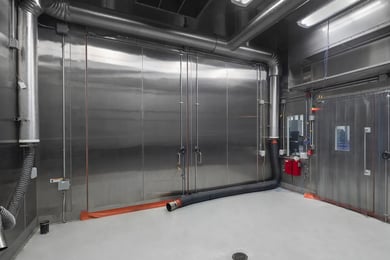
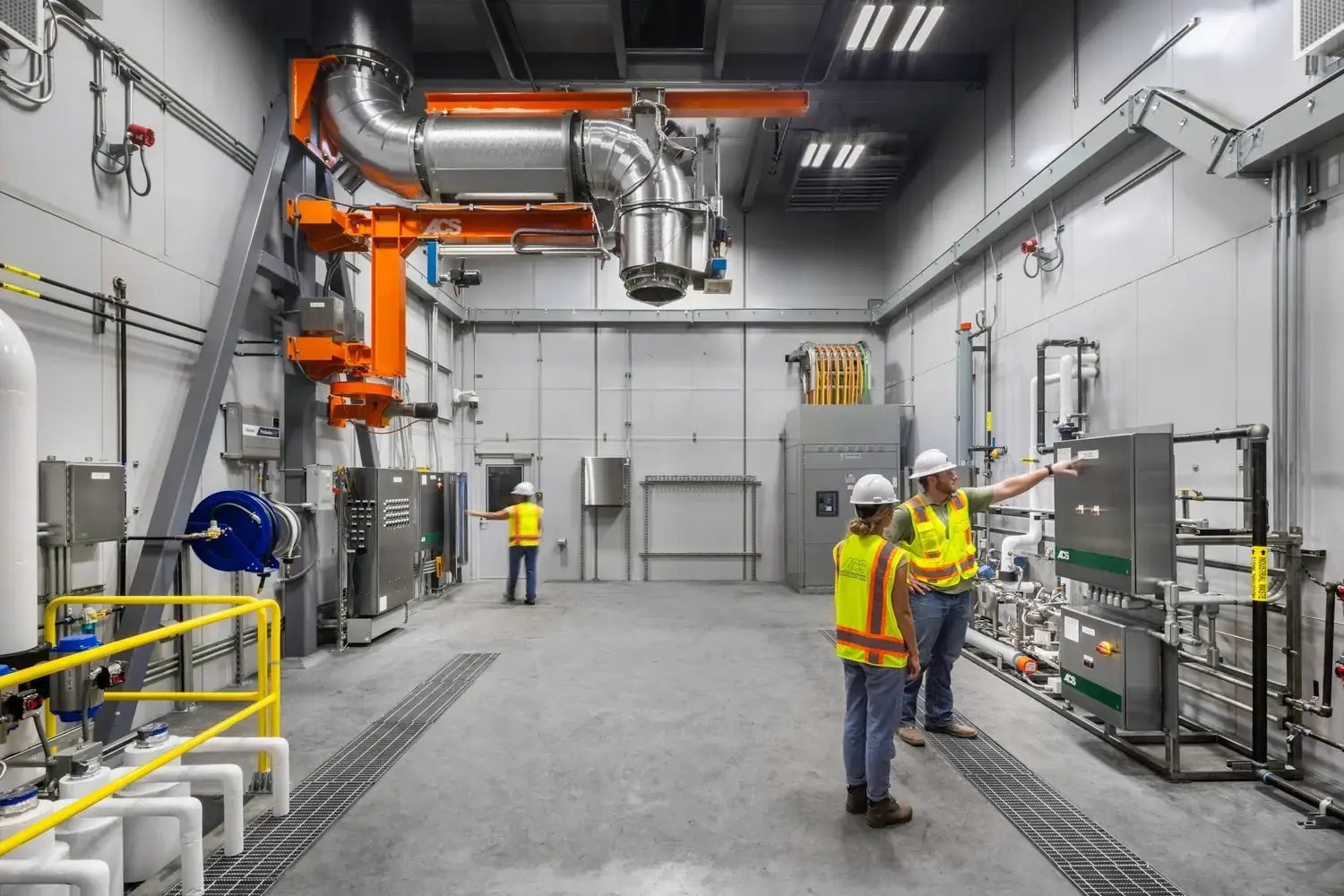
Plan for ventilation systems that can handle thermal management during high voltage battery testing. Structural measures will include reinforced walls, isolation, and hardened containment appropriate for potential high-energy events. The level of investment in your high voltage infrastructure depends on your voltage ranges, battery capacities, and testing objectives. Early assessment of these requirements prevents underestimating the facility modification scope.