Infrastructure and Equipment
Will we need dedicated tanks, piping, and blending systems separate from our standard Jet A aviation fuel systems?
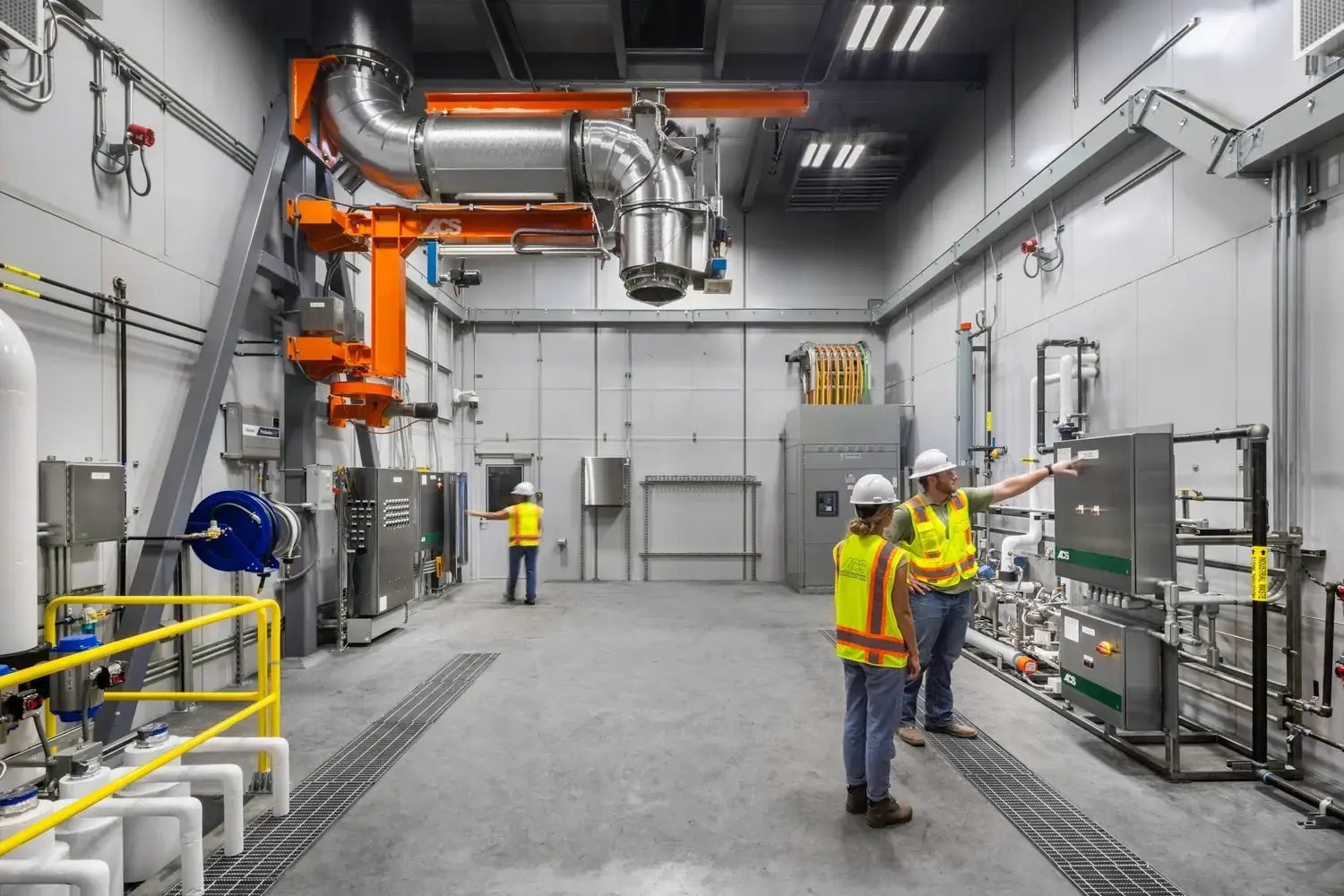
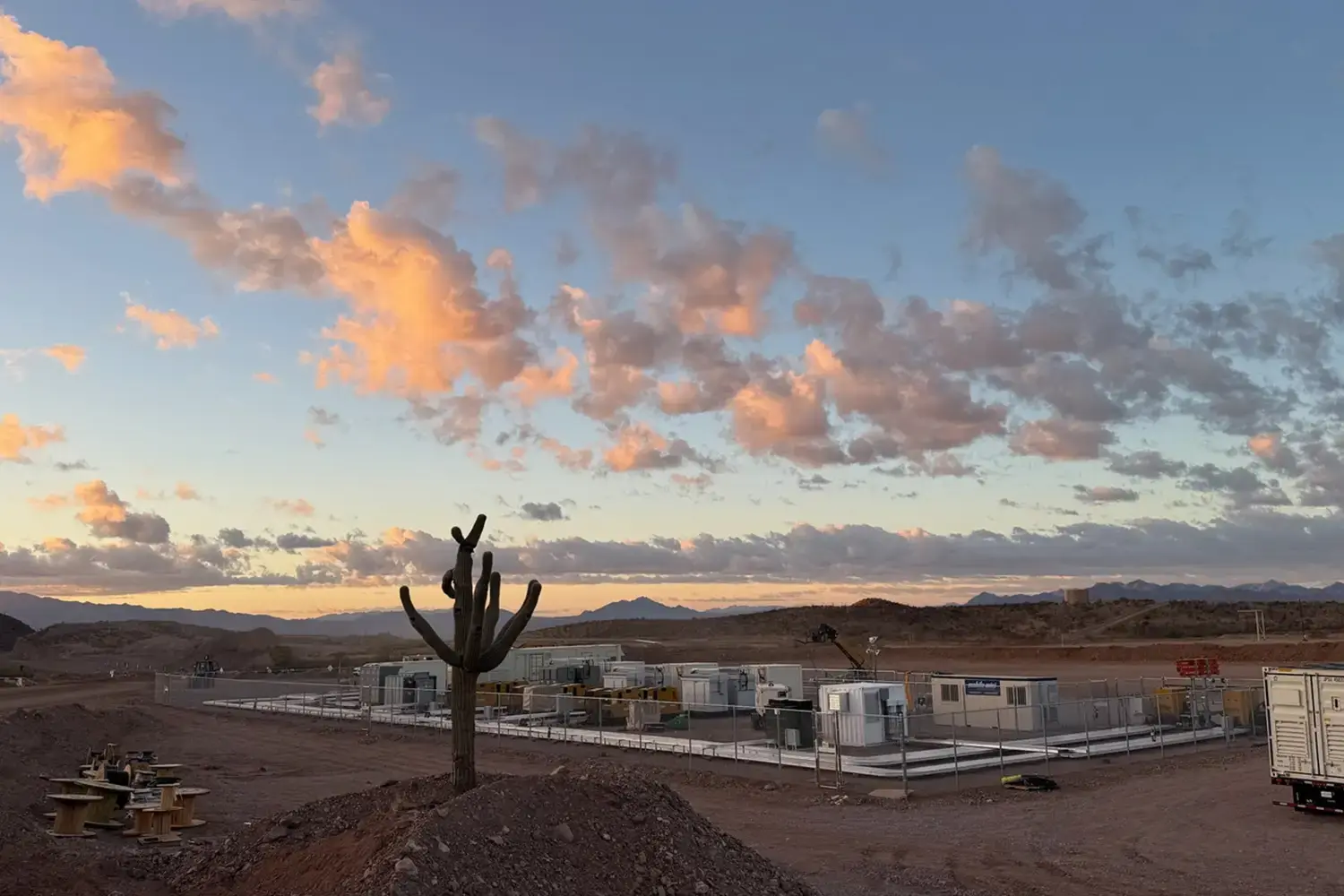
The need for dedicated systems separate from your standard Jet A aviation fuel systems depends on scale. In the sustainable aviation fuel market, smaller developmental testing can likely use a simple, localized fuel setup. Larger production testing may require dedicated SAF infrastructure to ensure proper isolation and distribution. A review of your existing infrastructure and your SAF test needs is necessary for a more specific answer.
Will our existing data acquisition and monitoring capabilities used in Jet A aviation fuel testing be sufficient to test SAF performance? Will we need additional sensors or instrumentation to control testing or capture the necessary data?
Your existing data acquisition capabilities may cover many of the standard engine performance metrics, but there is likely a need for additional sensors and monitoring equipment to capture the unique characteristics of SAF, particularly around emissions. A review of your current setup will help identify the full scope of necessary adjustments for a comprehensive SAF test.
How can we ensure that our fuel handling infrastructure is prepared to handle SAF blends being tested to meet drop-in compatibility standards?
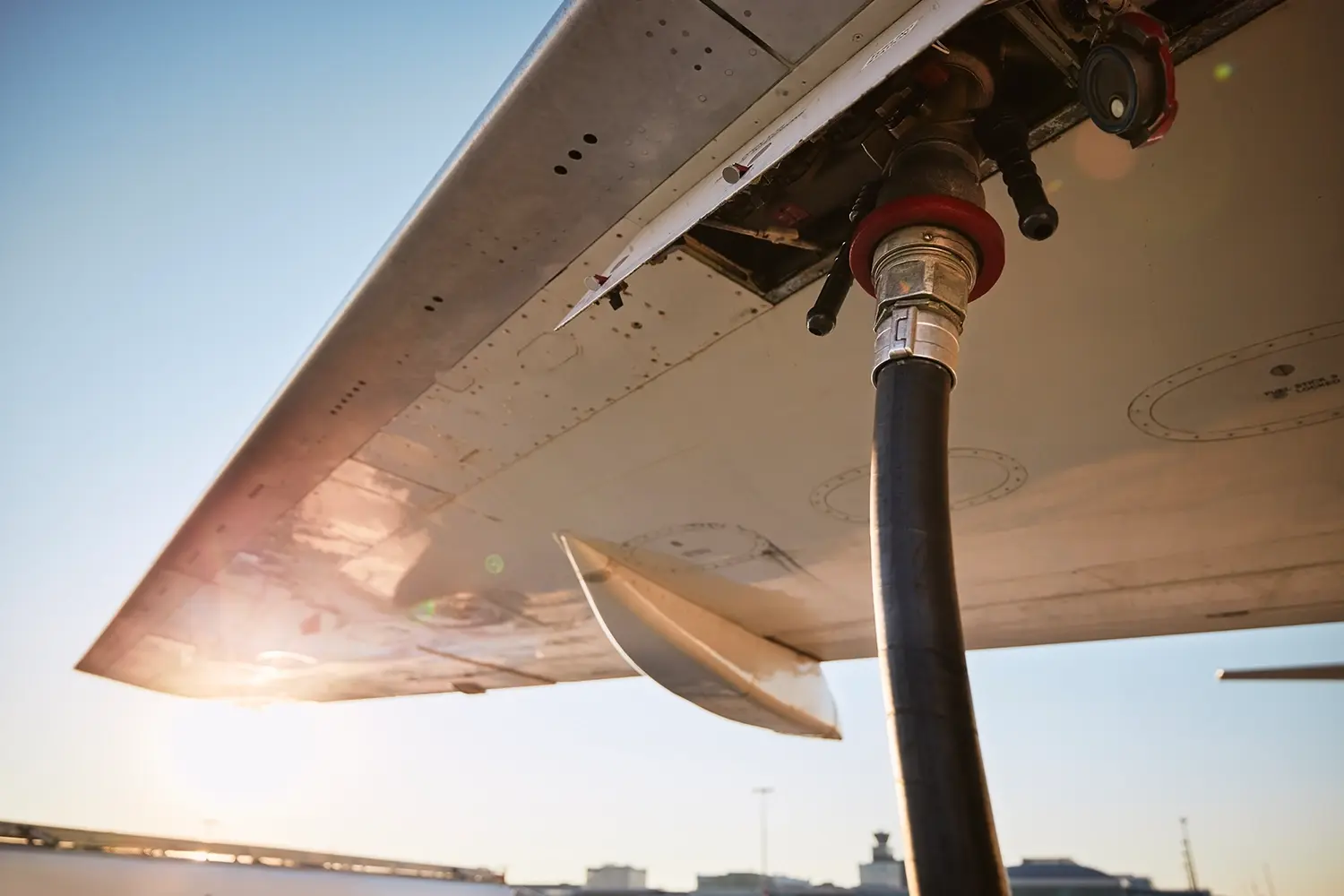
SAF blends being tested for drop-in compatibility may leave residue buildup or contamination risks that can affect fuel handling and performance. Existing flushing processes should be reviewed for their capacity to flush systems thoroughly between tests, ensuring no residual SAF or contaminants remain to impact subsequent tests or system operations.
Testing and Compliance
What safety considerations do we need to keep in mind when handling and testing SAF fuels?
SAF is a replacement fuel for Jet A, so the same underlying safety practices can be applied, with some additional considerations for the flushing and waste handling.
How flexible can we be in terms of the SAF blend ratios we test? Can we easily switch between different blend levels, or will that require more extensive system flushing and reconfiguration?
R&D testing in the sustainable aviation fuel market focuses on performance analysis, allowing easier experimentation with different SAF blends. Production-scale testing, aimed at certification and compliance, requires more extensive system flushing and PLC reconfiguration between blend changes due to infrastructure complexity and strict quality control requirements.
When does ASTM D7566 compliance become mandatory for our SAF test program? Are we required to follow it for internal R&D and ground testing phases?
ASTM D7566 compliance requirements typically align with commercialization goals rather than early research. While internal testing can be more flexible to enable performance evaluation, any SAF test intended for eventual commercial aviation use should consider D7566 standards early in development. Consult with certification authorities for specific requirements in your testing program.