

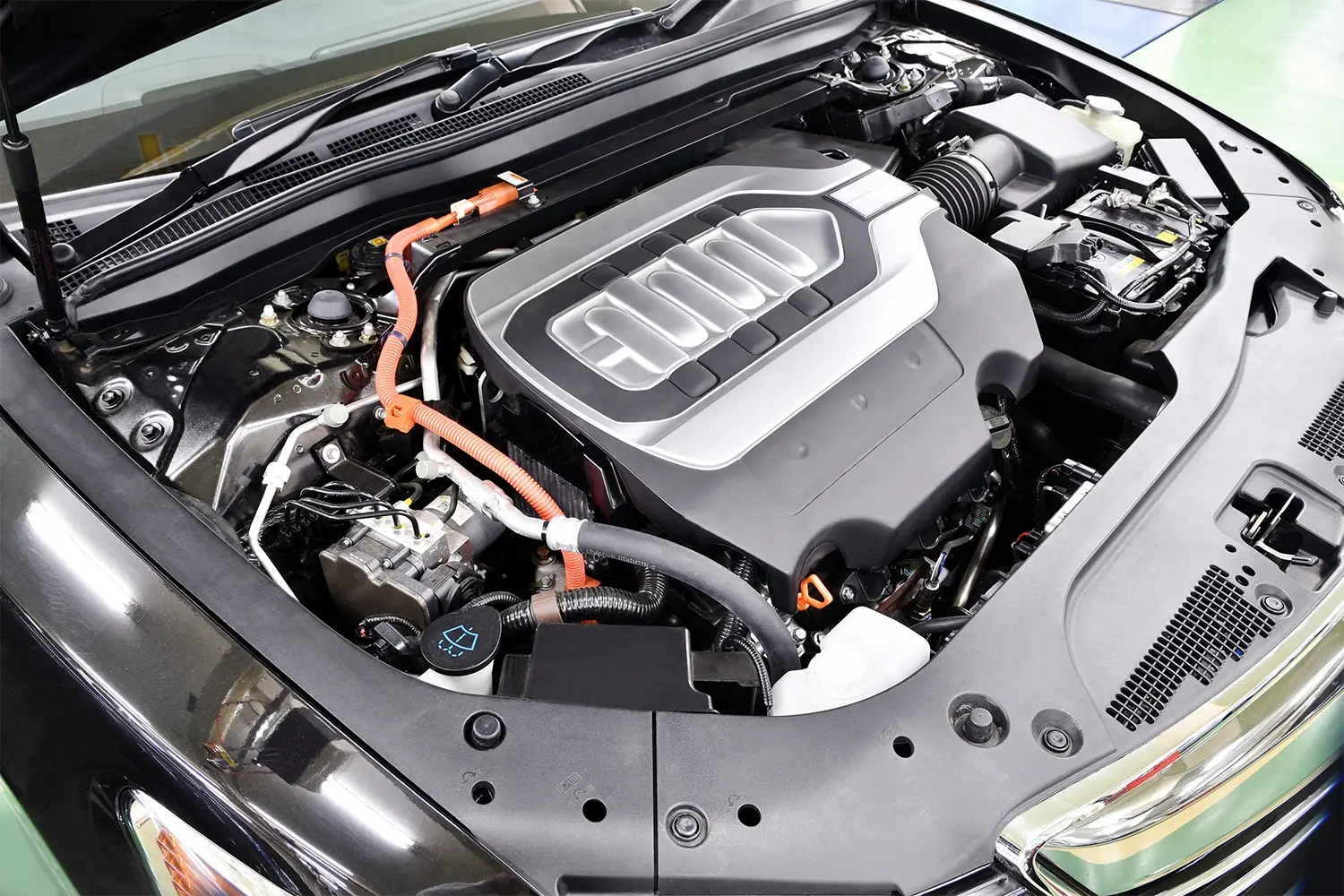
The Importance of Facility Planning and Hybrid Infrastructure
What parts of our existing ICE or EV infrastructure can be repurposed to support a hybrid powertrain system?
Much of your combustion and EV test infrastructure can likely be adapted, such as dynamometers, fuel systems, battery rigs, and safety equipment, with updates to sizing, cooling, and control systems. Most ICE and EV systems can be strategically updated. A review of your existing setup is the first step in hybrid infrastructure development, as it will help you identify where simple modifications or right-sized upgrades will support your goals. Understanding the importance of facility planning is key to making these strategic updates.
How will testing a hybrid powertrain system affect our facility’s power, space, and safety requirements?
The impact depends on your starting point. ICE facilities may need to add electrical infrastructure, cooling for batteries, and high-voltage safety systems. EV labs may require combustion test stands, fuel handling, and exhaust management systems. This highlights the importance of facility planning from the outset. In both cases, expect tighter space constraints, heavier equipment, and new challenges around cable routing, thermal loads, and regenerative power. Careful hybrid infrastructure design is essential to manage these complex demands.
How can we retrofit our facility for a hybrid powertrain system without overextending our resources?
First, document the combustion and electric building blocks you already have, which can then be combined for hybrid infrastructure. A modular approach lets you add what’s missing, such as cooling, power delivery, or safety systems, based on your product roadmap and facility constraints. This demonstrates the importance of facility planning in managing costs. Older facilities may have limits in electrical capacity, layout, or structural support, making phased retrofits more complex and, in some cases, less cost-effective than a new build.
EQUIPMENT AND CAPABILITIES
How do differences in hybrid powertrain system characteristics impact the equipment we may need to accurately test these new combination systems?
Hybrid types differ in how much they rely on electric or combustion systems, which affects testing needs. Mild hybrids require smaller battery cycling and torque support testing. Plug-in hybrids need charging profiles and electric-only drive cycle testing. Extended-range designs shift focus to large battery pack durability and performance with an auxiliary power unit. Each type may demand different dynamometers, voltage ratings, and thermal systems, and all require synchronized data collection across combustion and electric subsystems.
What should we keep in mind if we want our hybrid testing infrastructure to also support future pure EV programs?
When transitioning an ICE facility into hybrid testing, with future EV testing in mind, many core systems can carry over, such as control platforms and test procedures. However, EV requirements for high voltage, increased current capacity, and different cooling systems will require equipment modifications. If you consider these issues upfront, you can phase in incremental upgrades. For example, a DC power supply can be specified to accommodate additional power modules. Different powertrain architectures and performance targets have varying infrastructure needs, so assessing your specific testing roadmap and facility constraints is essential for determining the optimal upgrade path that will let you quickly and cost-effectively adapt to future design requirements.
We already test ICE and EV systems; how much additional capability do we really need for hybrids?
If you’re already testing ICE and EV systems, you’re partway there. The development of a hybrid infrastructure is an evolutionary rather than a revolutionary change in testing, building on what you have. You’ll need additional integration between combustion and electric subsystems, integrated control strategies, and synchronized data acquisition across both systems, not just isolated testing. Understanding the importance of facility planning helps ensure seamless integration.