The Challenge
A leading diesel engine manufacturer was facing a critical hurdle in its high-volume assembly operations. The company’s aging testing procedures, which required significant manual intervention and lengthy cycle times, were creating a major bottleneck that directly limited overall diesel engine production. To keep pace with market demand and accommodate the testing of newer, more powerful engines up to 1,200 hp, the manufacturer needed a modern, high-speed solution. The existing test cells were inefficient and presented a significant obstacle to the company’s ambitious production goals. The primary challenge was to implement a new production testing lab that would dramatically reduce the time required for diesel engine testing while simultaneously ensuring the highest standards of safety, accuracy, and operational efficiency. The manufacturer required a solution that could be fully automated to eliminate manual errors and provide a repeatable, consistent diesel engine testing process without requiring an operator to be physically present in the test environment during the test cycle. This was not just about upgrading equipment; it was about reimagining the entire diesel engine production workflow to be faster and more reliable, ensuring future growth and competitiveness.
The Solution
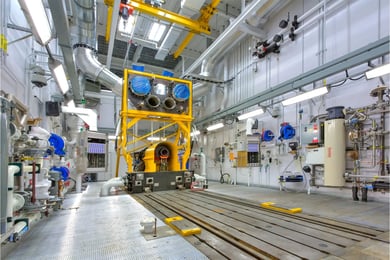
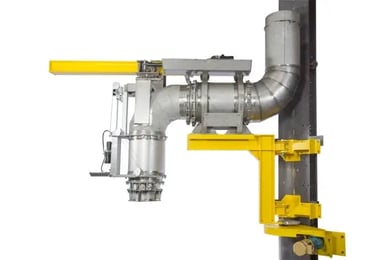
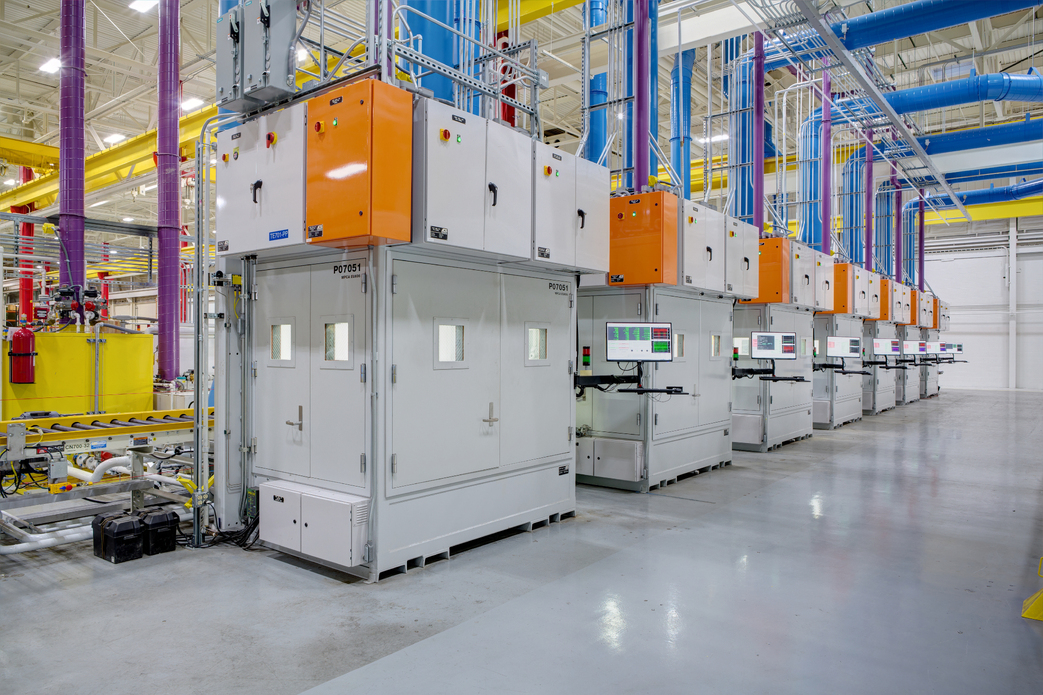
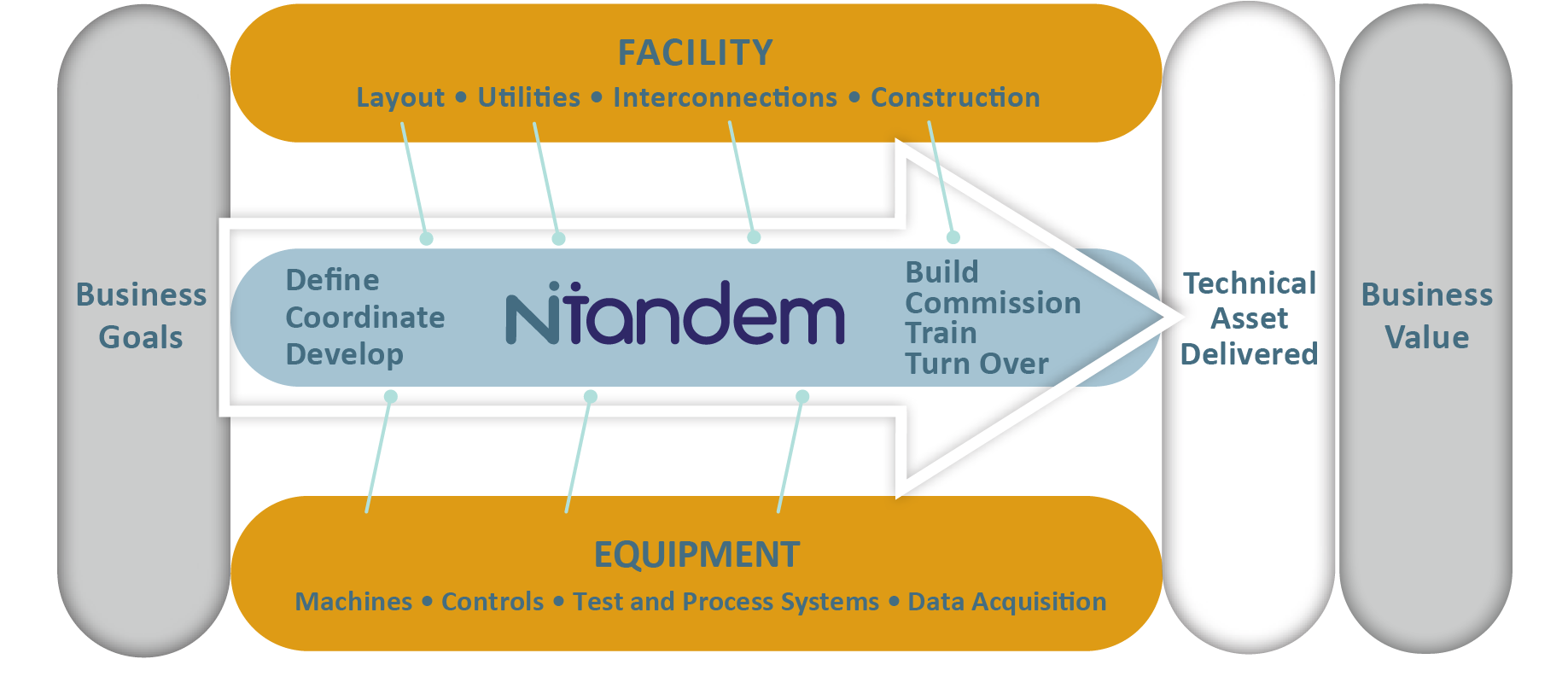
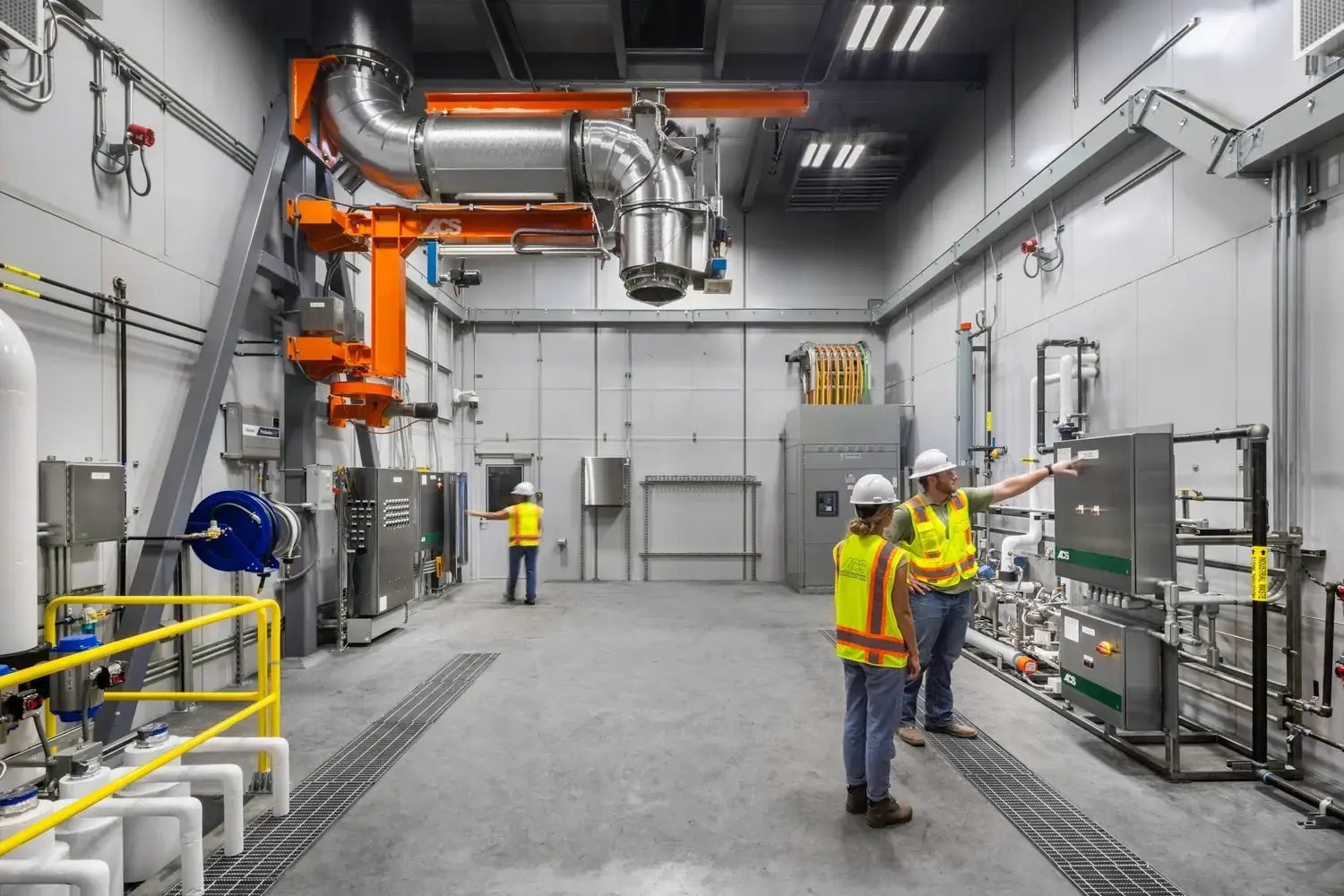
ACS approached this project with a comprehensive, single-source strategy, acting as the sole partner responsible for every phase of the project, from initial concept to commissioning. The solution began with a detailed design of new, fully automated production test cells, which would form the core of the new construction testing lab. A key element of the design was creating a fleet of identical test cells, a strategic choice that provided a high degree of operational flexibility by ensuring that any engine, regardless of its specifications, could be tested in any available cell. This innovative approach eliminated the need for specialized cells and streamlined the diesel engine production flow.
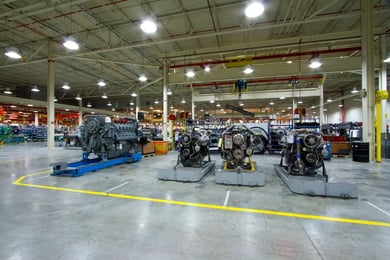
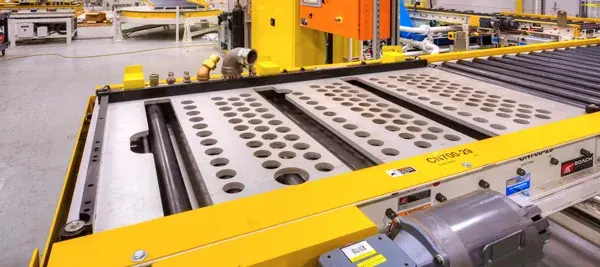
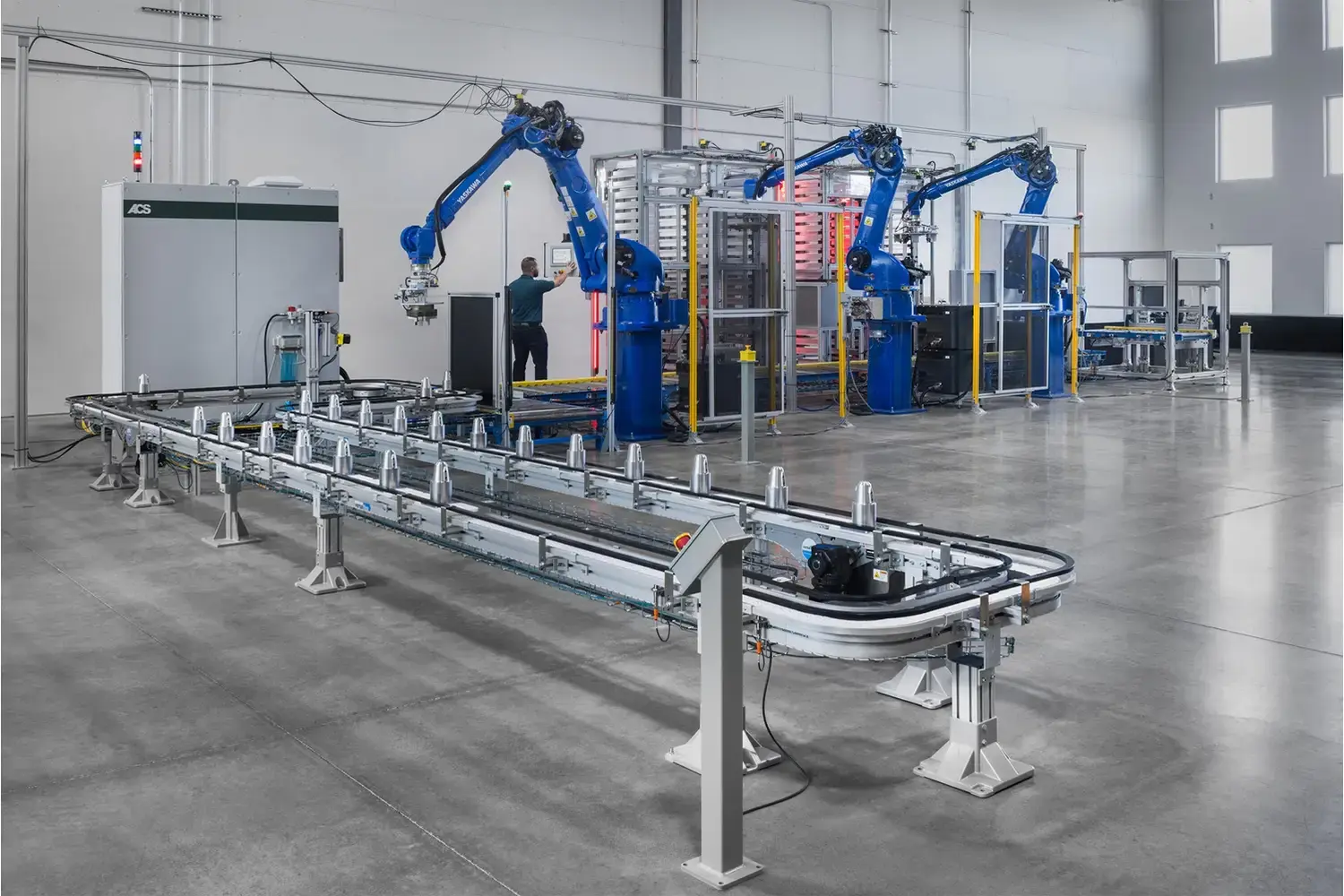
To facilitate this seamless process, ACS integrated an automated, in-floor TracVeyor System, which delivered engines on their pallets to and from the test cells and the engine rig and de-rig areas. This automated material handling system created a true assembly line-style workflow, significantly contributing to the accelerated diesel engine testing process. The entire design was coordinated closely with the client’s team, ensuring that every component and system not only met the technical requirements but also aligned perfectly with the facility’s existing infrastructure. This collaborative approach and meticulous planning allowed the project to proceed efficiently and on a reduced timeline.
The Outcome
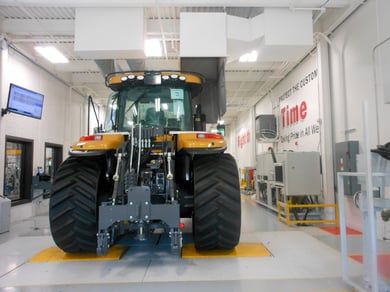
The design and implementation reduced the total engine test time to a remarkable 12 minutes, floor to floor, a substantial improvement that completely eliminated the previous production bottleneck and allowed for a significant increase in daily output. The fully automated nature of the cells meant that an operator was no longer required to enter the cell under normal operation, which enhanced safety and freed up personnel for other critical tasks. The identical cell design and TracVeyor system created a highly flexible and efficient workflow for diesel engine testing. ACS’ disciplined project management ensured the entire construction testing lab was completed ahead of the original project schedule and, importantly, was delivered under budget. The final solution is a state-of-the-art facility that provides the manufacturer with a repeatable, reliable process that reduces the risk of human error and supports a higher volume of diesel engine production for years to come.
Key Features
- Fully automated test cells – Operator not required to enter the test cell under normal operation
- Identical test cells, allowing all engines to be tested in all cells
- Automated in-floor TracVeyor system for seamless engine delivery
- Assembly line-style rig and de-rig area
- Reduced project schedule time and completed under budget
ACS Services
- Single-source contract for design and construction management
- Equipment specification, procurement, and installation
- Integration of equipment and facility systems
- Commissioning