
Diesel Generator Testing Capacity Increased with Turnkey Modular System
Facing a crisis where their production of diesel generator units outpaced testing capacity, a global heavy equipment manufacturer urgently engaged ACS for an interim solution. ACS rapidly designed, fabricated, and integrated a self-contained modular test system engineered for gensets up to 5,300 horsepower. Leveraging prefabrication and tight construction management, ACS successfully oversaw the complex test cell construction by minimizing on-site work and coordinating deliveries without interrupting existing operations. This turnkey project provided the immediate, additional testing capacity required, enabling the manufacturer to eliminate its production backlog and secure future revenue potential.
The Challenge
A global heavy equipment manufacturer’s production of diesel generator sets (gensets) outpaced its end-of-line testing capacity. With the rising demand, the manufacturer had a growing backlog of untested generator units, threatening both its immediate sales and long-term revenue.
With a relationship going back two decades, ACS was engaged in a major project to expand the manufacturer’s testing facilities on its main campus. With ACS managing the expansion’s construction, new genset test cells are scheduled to come online the following year. However, the manufacturer wanted increased testing capacity immediately and asked ACS for an interim solution to support their diesel generator testing needs. Due to the ACS teams’ deep understanding of the manufacturer’s operational needs, proven expertise in test cell design and test cell construction, and the ability to provide a turnkey solution, ACS could deliver the speed and responsiveness required to meet the company’s aggressive timelines for the new modular test system.
The Solution
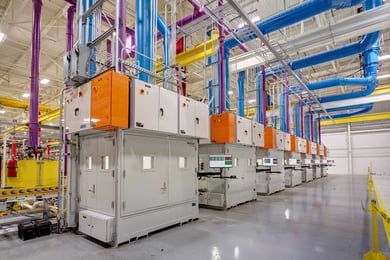
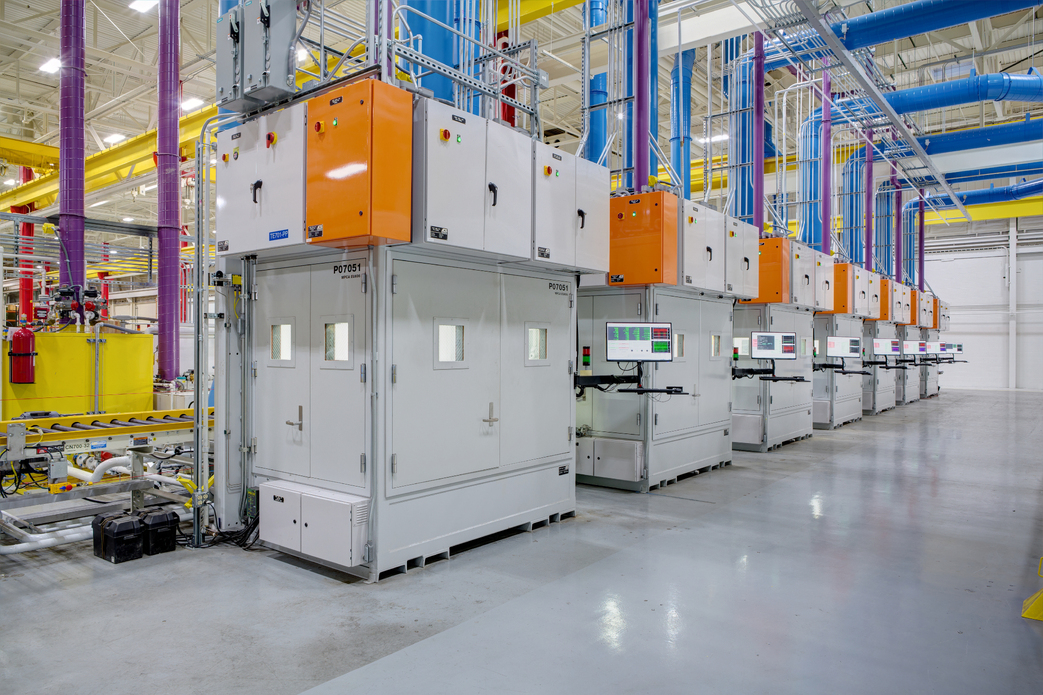
ACS designed, fabricated, and commissioned a modular genset test cell and integrated it into one of the manufacturer’s sites, located two hours away from its main facility. The test cell is engineered to accommodate gensets ranging from 1,300 to 5,300 horsepower, with critical systems designed for maximum throughput and operational efficiency for every generator unit.
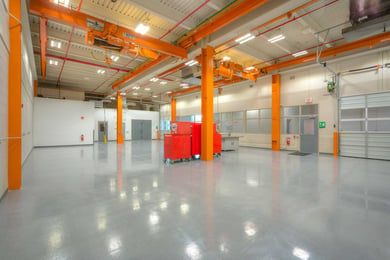
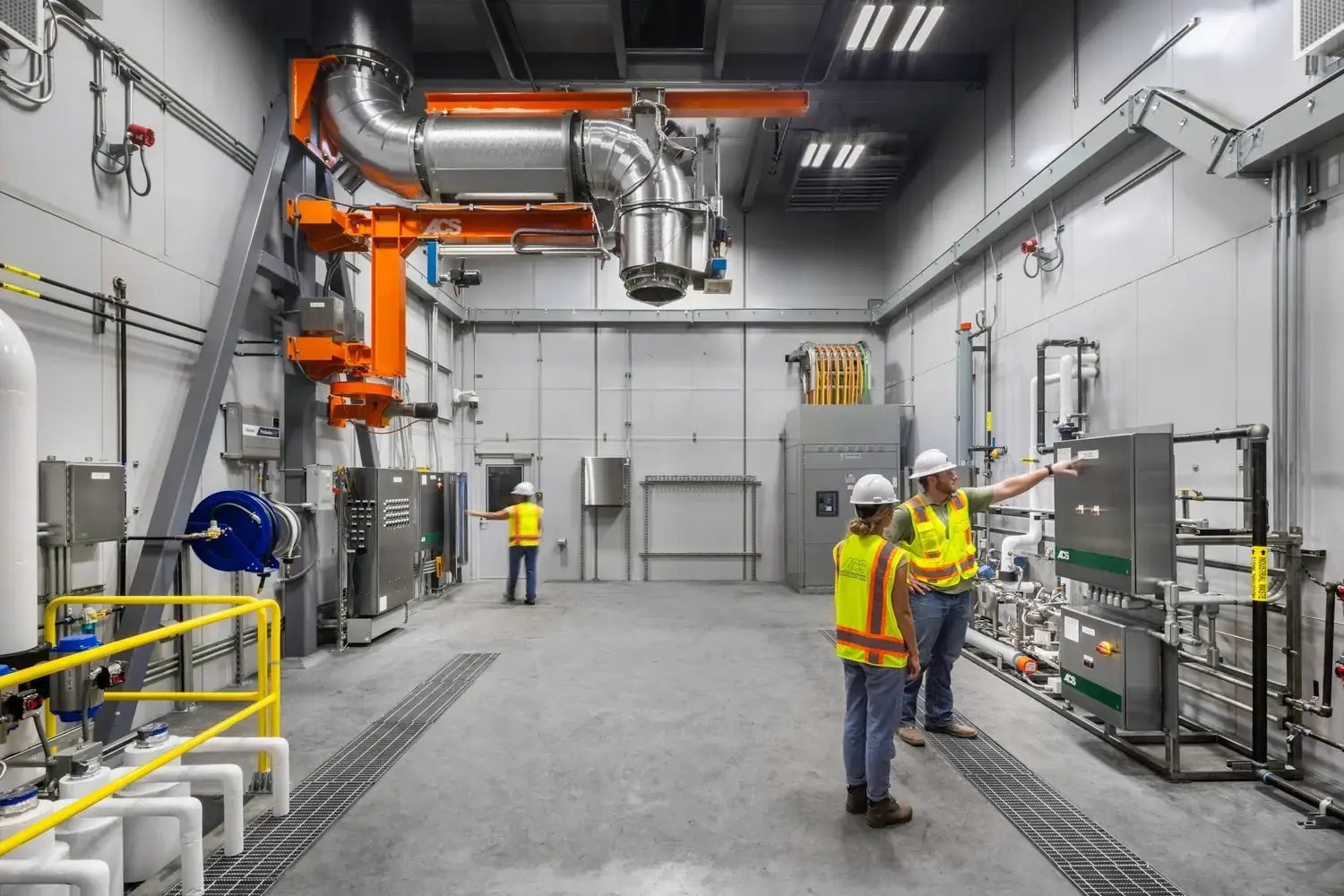
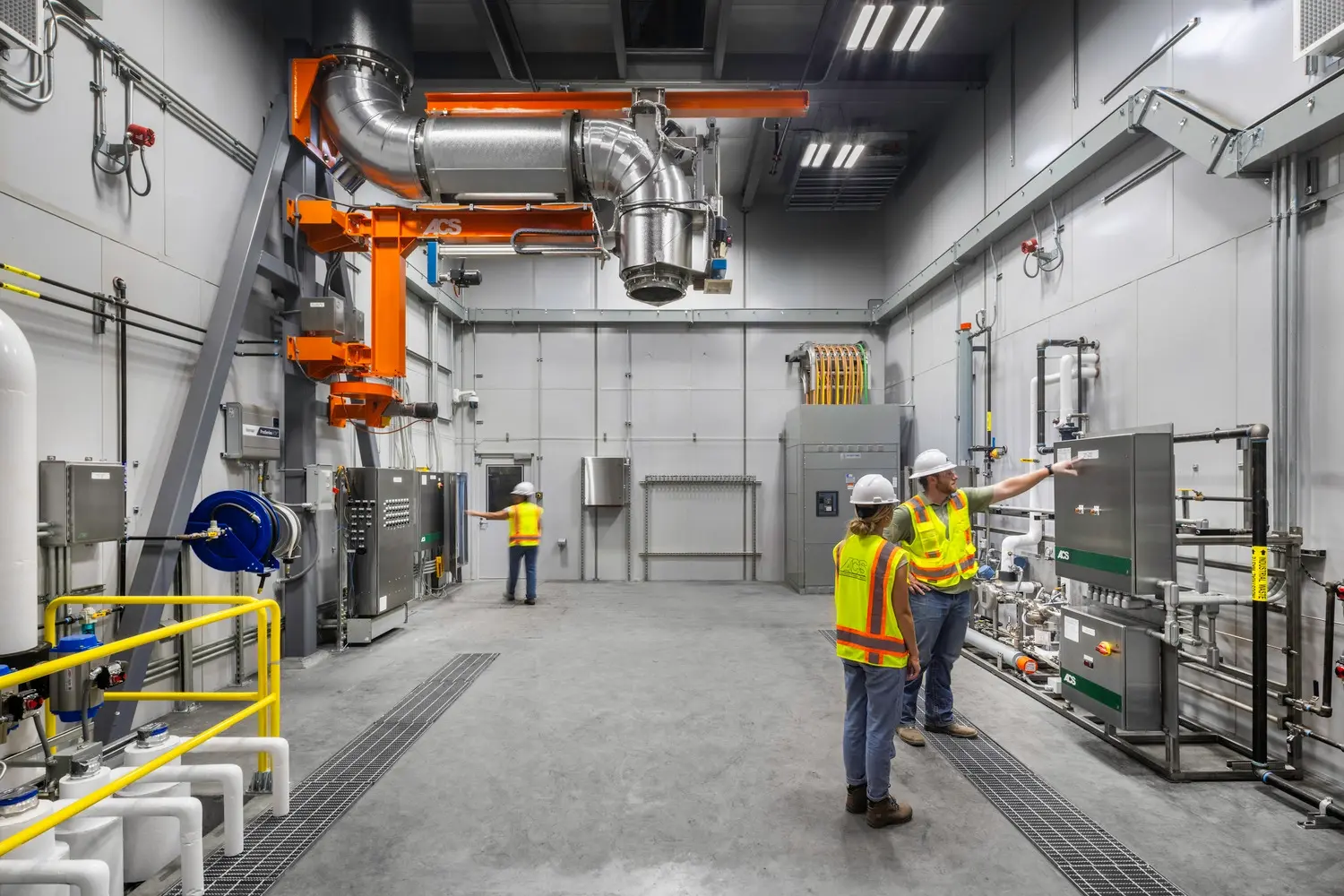
The ACS engineers designed the test cell to be strategically installed within the range of the facility’s existing 35-ton overhead crane, enabling smooth handling of units under test and minimizing disruption to onsite production. The test cell features modular, skidded equipment, including diesel supply, engine jacket water, and aftercooler water systems, allowing for rapid deployment and future adaptability. This entire modular test system design also includes an acoustically insulated enclosure that contains the noise from testing operations, along with chilled water systems, temperature and pressure control capabilities, cell ventilation, and an articulating engine exhaust system that accommodates various genset configurations.
Construction and Integration of the Genset Test Cell
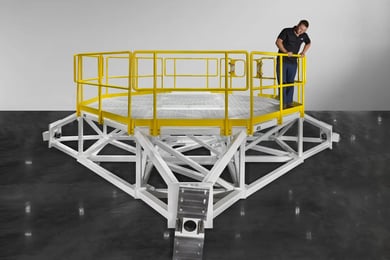
The aggressive project timeline required swift execution without interrupting the site’s operations. ACS teams prefabricated much of the test cell at ACS’ facilities and transported the modular assemblies to the client site to minimize onsite test cell construction.
ACS construction managers used weekend shifts and orchestrated multiple trades working in parallel to complete test cell construction efficiently. With a single facility access point for large loads, they closely coordinated every delivery and construction activity, preventing bottlenecks and interference with ongoing production.
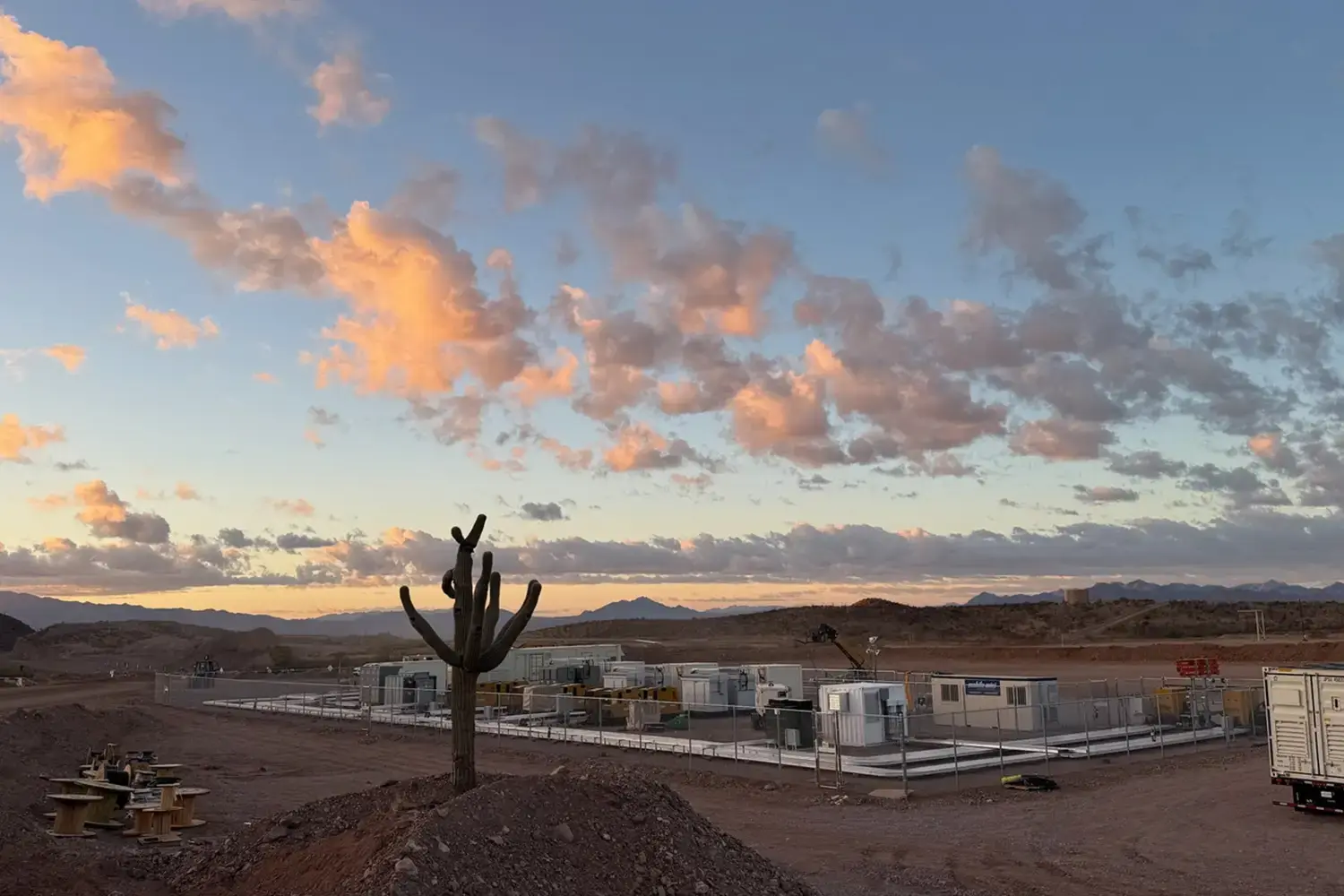
External work included installing a new dual-wall diesel storage tank and repaving the access roadway to facilitate seamless diesel generator testing. Despite procurement challenges with long-lead equipment, the ACS construction team was able to ensure that all systems arrived and were commissioned on schedule.
Process Control and Data Acquisition
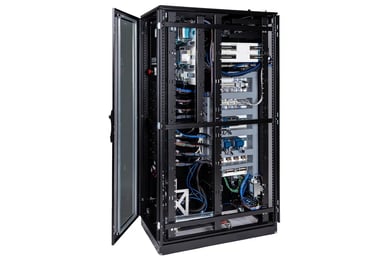
Acselerant™, ACS’ open-source software platform, serves as the primary operator interface for the generator testing procedure. Once a genset is connected in the test cell, operators enter the generator unit’s identification number, and the modular test system automatically queries the client’s database to retrieve all necessary test parameters. This automation streamlines the generator testing procedure across different genset types and power ratings without requiring operators to consult documentation for each configuration.
During testing, the system continuously monitors and logs pass/fail criteria along with extensive data points, providing real-time feedback to operators. When a test is completed, the data is automatically uploaded to the client’s remote database. Using a dual-monitor setup, operators view the unit-specified instructions to complete the generator testing procedure while seeing the unit test data on a separate monitor.
The Outcome
The completed interim test cell now provides the additional capacity needed to fulfill greater demand, enabling the manufacturer to increase shipments of the newly tested generator unit, strengthen customer relationships, and preserve future revenue potential.
Built on a modular design, the genset test cell delivers a rapid, fully integrated solution that fits within existing infrastructure constraints and maintains the facility’s operations and safety standards. This genset project reinforces the value of the companies’ long partnership, demonstrating how deep operational knowledge and established trust can accelerate delivery when business needs are urgent.
Key Features
- Adaptable to various diesel gensets sizes and power ranges
- Contained within an acoustically insulated enclosure
- Modular, prefabricated design for rapid installation and future mobility
- Customized Acselerant software controls and data acquisition integrate with the customer’s system for automated test instructions and future reporting
ACS Services
- Turnkey project delivery
- Customized equipment design and fabrication
- Integrated custom control and data acquisition programming
- Construction management
- Facility integration
- Test cell commissioning and SAT