





How Aerospace Partners Can Benefit Organizational Success
Aerospace startups don’t need to be industry giants to gain market share. While large corporations continue to shape the sector, emerging companies with innovative aerospace technology are finding success by forming relationships with aerospace partners. These collaborations allow startups to tap into the resources and expertise of larger organizations.
The key is identifying the right partner—whether in aerospace or adjacent industries like automotive—who can provide valuable support in strategic planning, risk management, and navigating uncertain futures, ultimately helping startups secure long-term growth.
In the article published in SAE International – Aerospace & Defense Technology, “How Aerospace Startups Can Seek Partnerships to Secure Their Future,” Nick Barclay, Mechanical Engineer, addresses the importance of identifying partners and pursuing relationships with them, and how that can lead to organizational growth and success. The article focuses on:
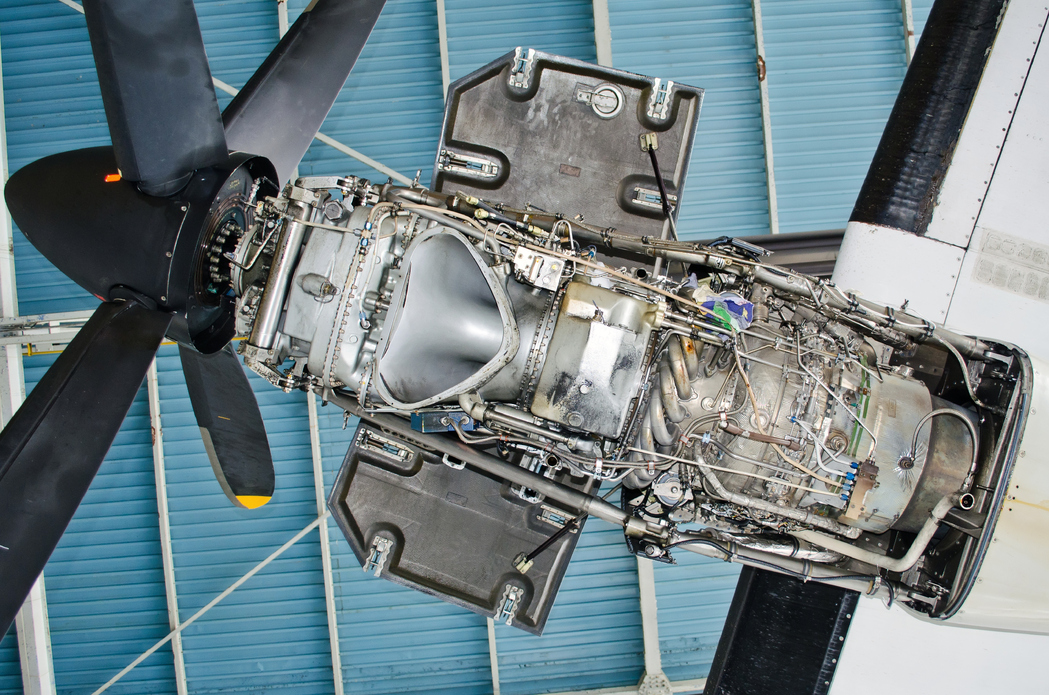
- Identifying potential aerospace partners – Aerospace startups are driving innovation with technologies like electrification, sustainable practices, and supersonic flight, creating new revenue streams. To succeed, many partner with established companies that focus on traditional sectors like commercial airliners, leveraging their design expertise and experience. Networking with industry leaders, including organizations like NASA, is key. These partnerships provide the resources and confidence needed to scale and grow, making a proactive approach to forming these relationships essential for startups.
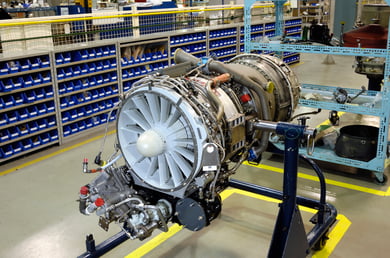
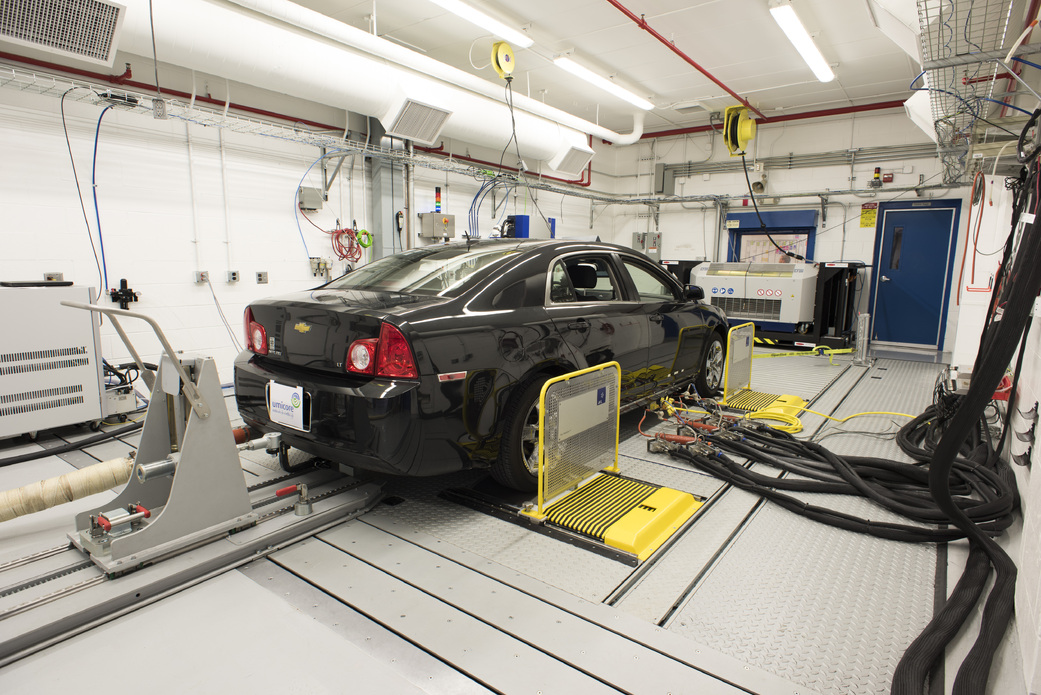
- The important role of inside-out design – R&D is critical to the success of aerospace startups, requiring significant investment in testing new technologies like materials and fuel sources. Designing the right testing facility involves an “inside-out” approach, starting with the product’s core needs and expanding to address future requirements. Flexibility is key to adapting over time. Early on, startups can leverage resources from universities or other partners before moving to dedicated facilities, which offer more control over testing conditions and help refine product development.
- Metrics and measuring success – A successful partnership offers flexibility and requires a versatile team. Key Performance Indicators (KPIs) track progress in meeting schedules, controlling costs, and improving efficiency. Metrics like project timelines and critical milestones help assess when to scale, grow the team, or develop new products. These indicators ensure the company is moving forward, not stagnating.
Time is critical for aerospace startups. Identifying partnerships that provide value early on is essential for growth. The right partnerships should benefit both parties, with startups offering innovative products or expertise that larger companies can use to enhance their designs.
Success comes from finding aerospace partners with a strong track record and developing a clear process that starts with fully understanding the aerospace technology. These mutually beneficial relationships open doors to future opportunities, securing the startup’s long-term success.
Read the full article here.