
Driving Aerospace Forward with Automotive Industry Innovation
The automotive and aerospace industry share a surprising connection, offering aerospace a crucial learning opportunity. Facing pressures from geopolitics, sustainability, and increased travel, aerospace can leverage automotive industry innovation and high-volume solutions as a roadmap for upgrading aging facilities and accelerating R&D. With overlapping technologies in areas like drones, alternative energy, and automation, the automotive’s proven experience provides a clear path forward for aerospace’s upcoming transformations.
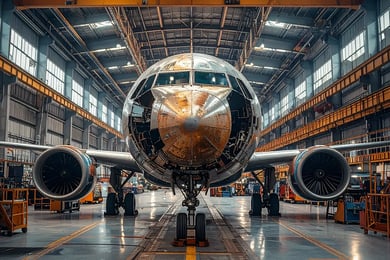
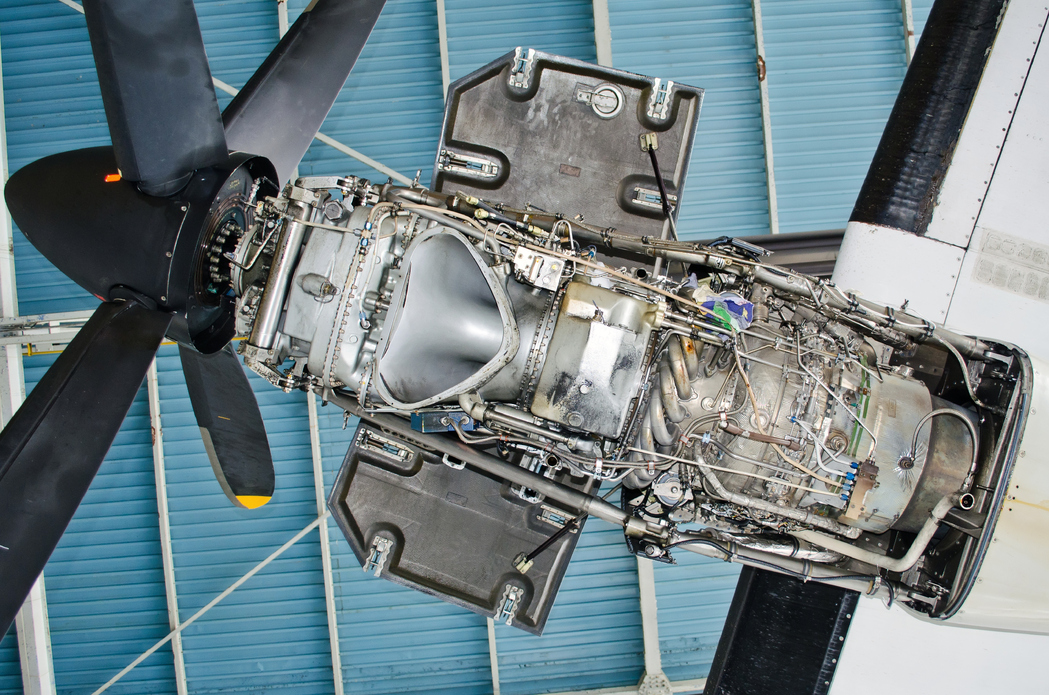
The aerospace industry faces a “perfect storm” of aerospace challenges: geopolitical conflicts, supply chain disruptions, and urgent sustainability demands. This pressure is intensified by aging infrastructure that can’t meet modern technological and market needs, leading to slow innovation and impacting aircraft design and maintenance. A major driver for change is the growing global demand for air travel, which, combined with globalization and ongoing conflicts, results in rising costs and logistical bottlenecks. Despite these hurdles, global interconnectivity offers collaboration opportunities. Rapid advancements in alternative energy solutions like Sustainable Aviation Fuel (SAF) and electrification, including eVTOLs, are gaining traction, driven by sustainability mandates. However, aerospace’s outdated facilities remain a fundamental barrier to integrating these crucial new technologies, hindering its ability to keep pace with customer needs and maintain competitiveness in a rapidly evolving market.
In the article “Aerospace Lessons From the Automotive Industry” published in Aerospace Manufacturing Design, ACS’ very own Darryn La Zar, Senior Director, Business Development, and Matt Guise, Project Manager, discuss unique aerospace challenges that aerospace is facing, and how they connect to the automotive and aerospace industry to drive solutions:
- Cost, supply, and technology calibration: Advanced technologies, raw material costs, specialized equipment, skilled labor shortages, and supply chain disruptions necessitate constant recalibration of production and resource allocation.
- Certification and regulatory hurdles: The intricate and time-consuming certification process, especially for new technologies like electric propulsion, struggles to keep pace with evolving standards and existing regulatory frameworks.
- Growing throughput demands: Aerospace facilities are unable to meet the increasing commercial and defense demands, a problem exacerbated by global inflation.
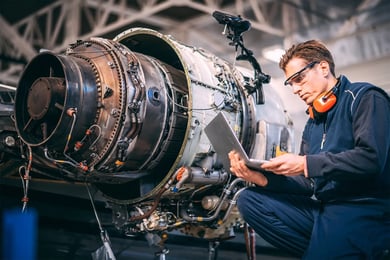
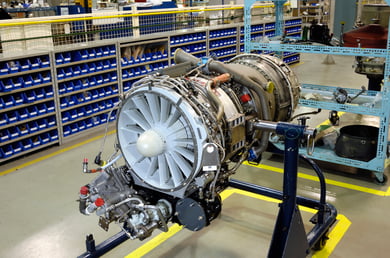
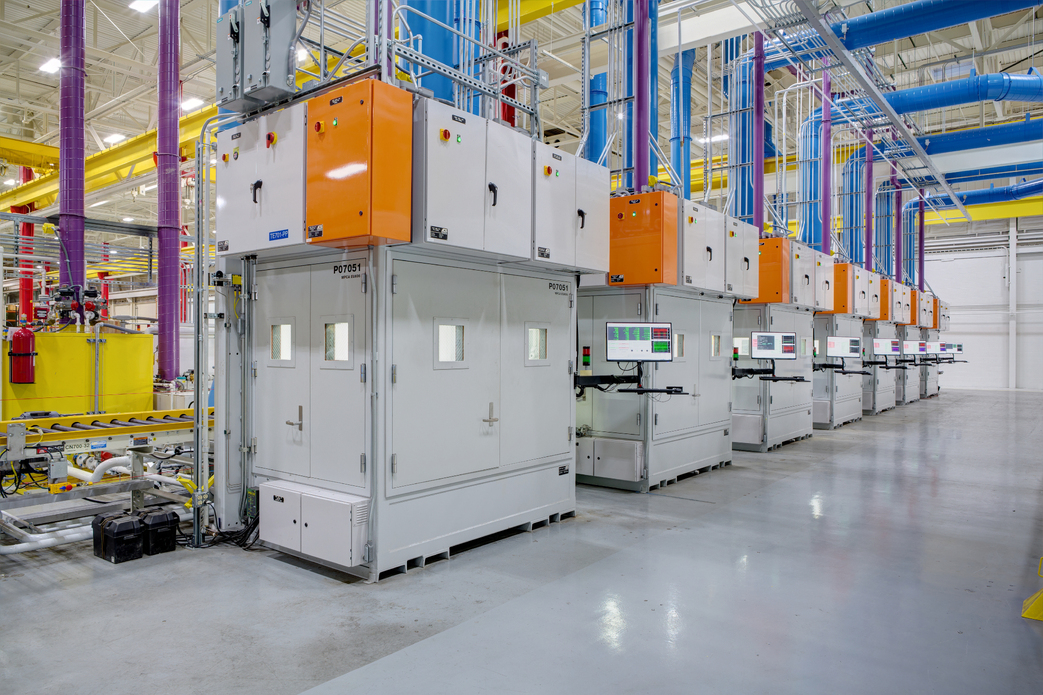
- Complex and fragile test cells: The intricate design and sensitive nature of aerospace components require highly precise testing facilities that legacy equipment cannot provide, leading to potential failures and delays. Testing new aerospace components effectively is crucial.
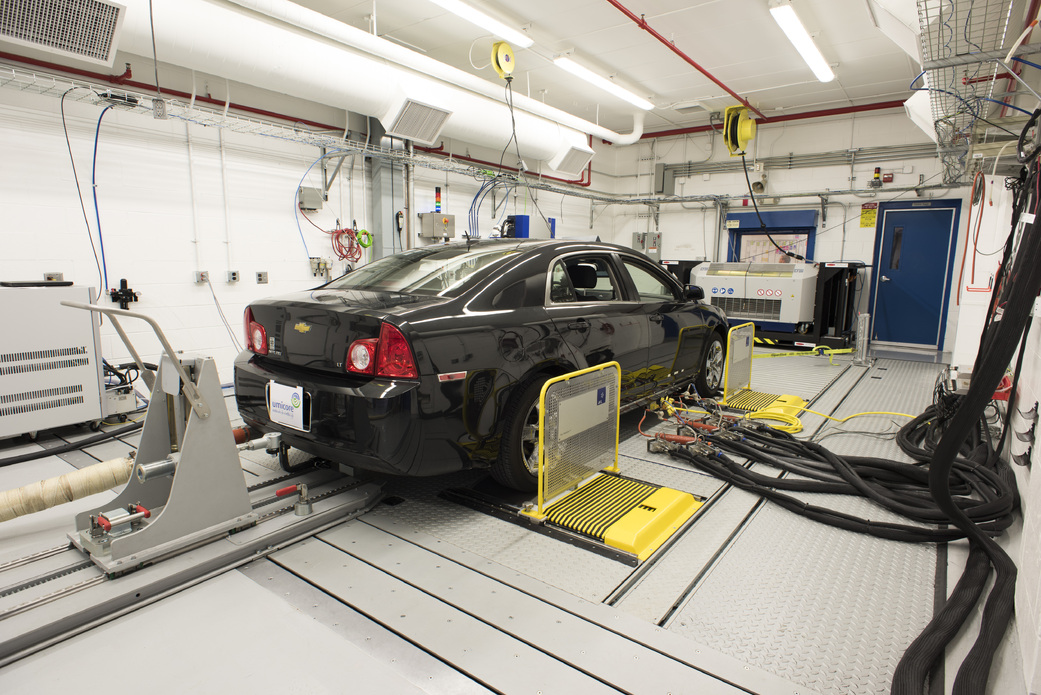
The automotive industry innovation and its rapid production cycles offer invaluable lessons for aerospace, particularly in testing and manufacturing, enabling enhanced efficiency, safety, and resilience. Key strategies include adopting an inside-out approach for facility design driven by testing needs and modularity, leveraging automotive’s established safety and compliance standards for new technologies, and utilizing their advanced data collection and analysis for real-time decision-making and predictive maintenance. Aerospace can benefit from automotive’s strides in capable energy storage, power, and utilities (including power regeneration), as well as implementing lean manufacturing principles for heightened efficiency and throughput. Crucial advancements also lie in robust systems integration solutions, investing in future-proofed, modular equipment, and adopting ongoing sustainability practices from eco-friendly materials to energy solutions.
By embracing these proven automotive industry innovation successes, automotive and aerospace industry organizations can forge a strategic roadmap to modernize facilities, accelerate R&D, and effectively navigate current and future industry shifts, ensuring long-term competitiveness through continuous learning and adaptation to address persistent aerospace challenges.
Read the full article here.