
Deploying a Flexible Microgrid Solution to Bypass Utility Delays
Industrial facilities, from AI data centers to large-scale manufacturing plants, are navigating a distinct set of energy challenges that demand strategic infrastructure decisions. The question has shifted from “How do we connect to the grid?” to “How do we guarantee power on our own timeline and at our own reliability standards?”
Design for Reliability from Day One
The central reality of the modern power landscape is that demand is rising faster than the grid can be upgraded. We are building the most advanced facilities in human history, including semiconductor plants, battery factories, and automated warehouses. Yet many are being forced to plan like it’s the early 1900s: bring your own power.
To keep up, energy infrastructure must be inherently flexible, supporting everything from peak shaving to full systems islanding without requiring a total overhaul. This agility ensures that operational growth isn’t throttled by external capacity limits. Strategic planning requires designing onsite power systems with adaptable operating windows, so a single microgrid solution can cover a range of needs, including primary generation, standby backup, and grid-parallel operation.
By utilizing modular power design principles, a single facility can handle diverse load requirements. While this approach requires an upfront investment in space for controls and future generation blocks, it minimizes the need for costly, wholesale facility redesigns as production scales. An investment in flexibility reduces commissioning time and allows companies to trade utility uncertainty for a predictable, self-funded power foundation.
Managing Procurement Realities
The critical issue facing industrial energy today is lead time. Electrical infrastructure components, particularly large power transformers and switchgear, are facing unprecedented procurement delays. For distribution transformers, lead times have ballooned from 6 months in 2019 to as much as 36 months today.
Without early planning, equipment lead times become program bottlenecks that bust schedules before construction even begins. Utility capacity compounds this risk; securing a new multi-megawatt interconnection can take three to seven years in many U.S. markets. Early assessment and the initiation of onsite power procurement are critical to protecting project timelines. Onsite prime power is often the only way to align energy availability with production ready goals.
Infrastructure Requirements Beyond the Grid
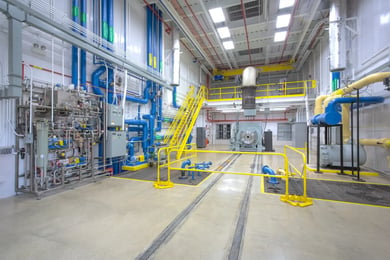
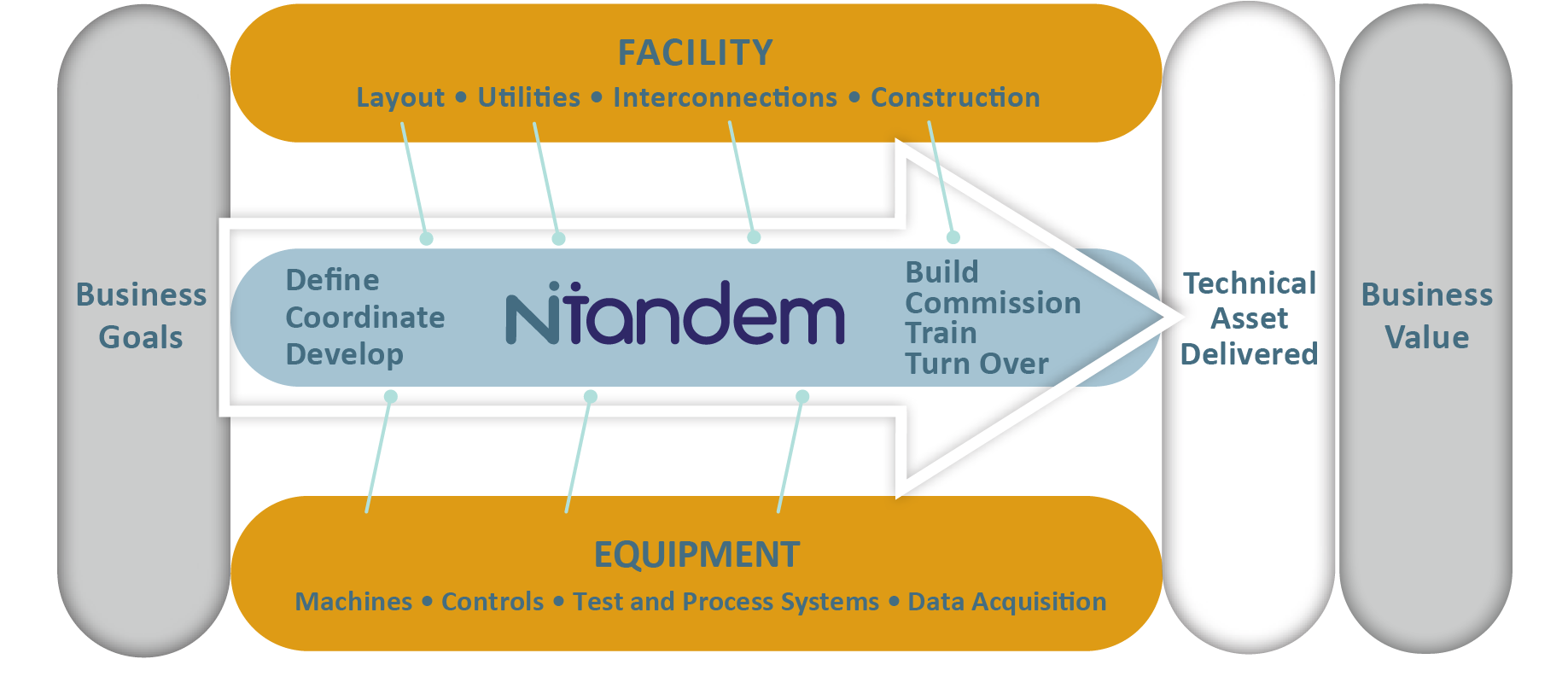
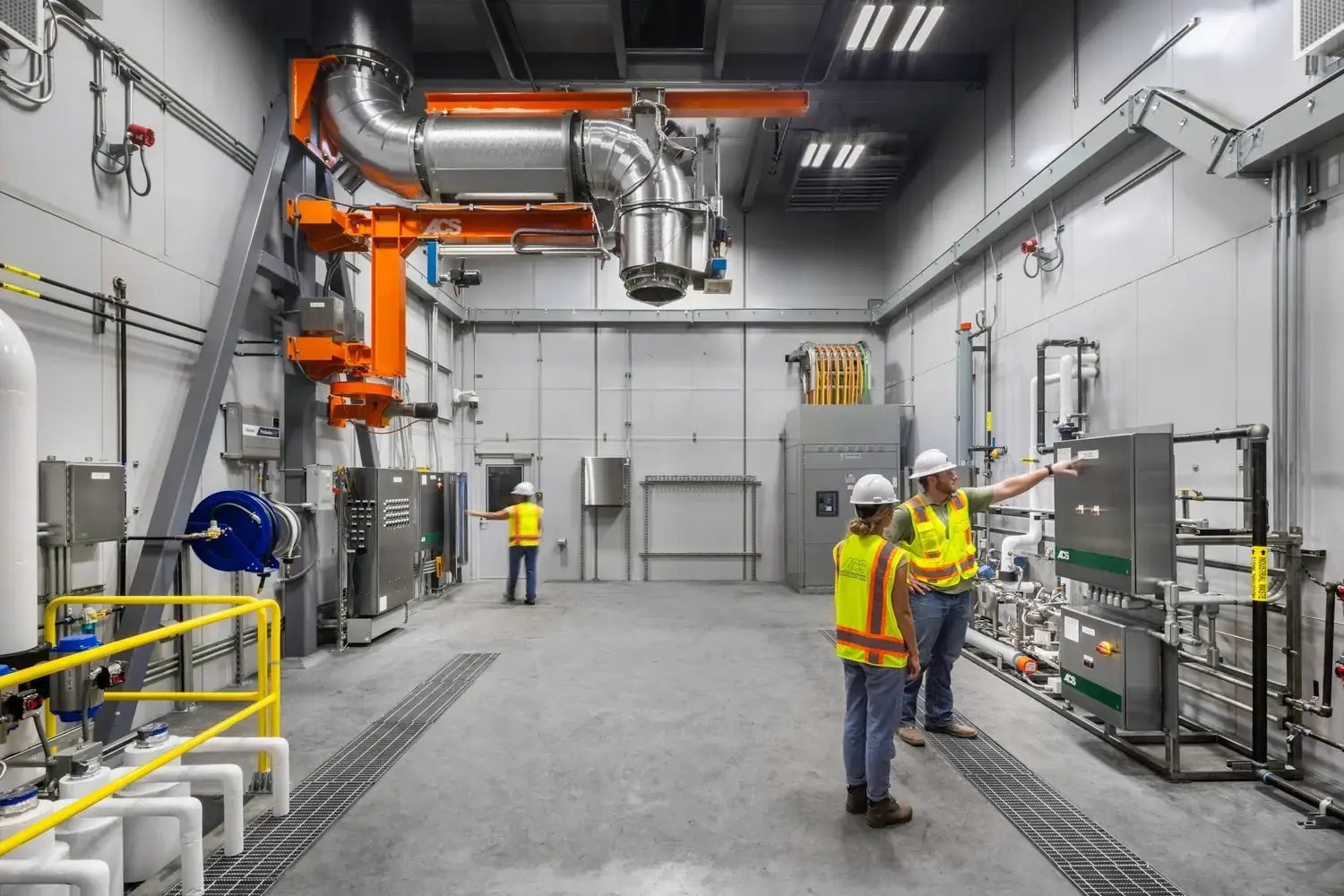
The shift to onsite power generation, often utilizing natural gas reciprocating engines, turbines, or fuel cells, introduces facility requirements that extend beyond the equipment itself. A resilient onsite power program relies on three core facility requirements:
- System efficiency and heat recovery: Onsite power generation allows facilities to capture and repurpose energy that would otherwise be wasted. By integrating power generation with facility processes, energy becomes a recycled asset rather than a one-time expense.
- Continuous operational resilience: Unlike standard backup systems, prime power infrastructure is built for 24/7 reliability. This involves specialized controls that allow a facility to operate autonomously, protecting production from grid-wide outages or external security risks.
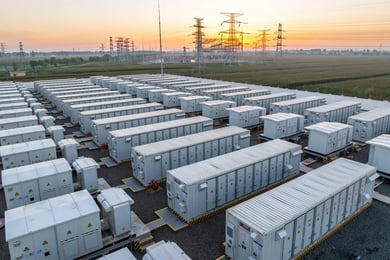
- Scalable modular power planning: Designing with future growth in mind allows for flexible expansion of power generation. By building the foundation today, facilities can add more power capacity as production lines expand, ensuring that energy supply always stays ahead of operational demand. Incorporating modern scalable options, such as the integration of standard gensets with battery energy storage solutions, provides a versatile roadmap for blending traditional power with immediate, responsive and balanced energy reserves as needs evolve.
Strategic Infrastructure Enables Operational Success
Infrastructure decisions determine whether industrial programs meet their startup dates or face multi-year delays. Companies succeeding in this space treat energy capability as a strategic enabler rather than a commodity.
Early planning for onsite power generation and a modular microgrid solution protects operational integrity when the grid faces stress from weather, aging assets, or surging demand. As with most product markets, the industrial market rewards those who can achieve speed to power. Strategic energy infrastructure investment is how to get there.