


Building a Flexible Foundation for Next Generation Electrified Aircraft
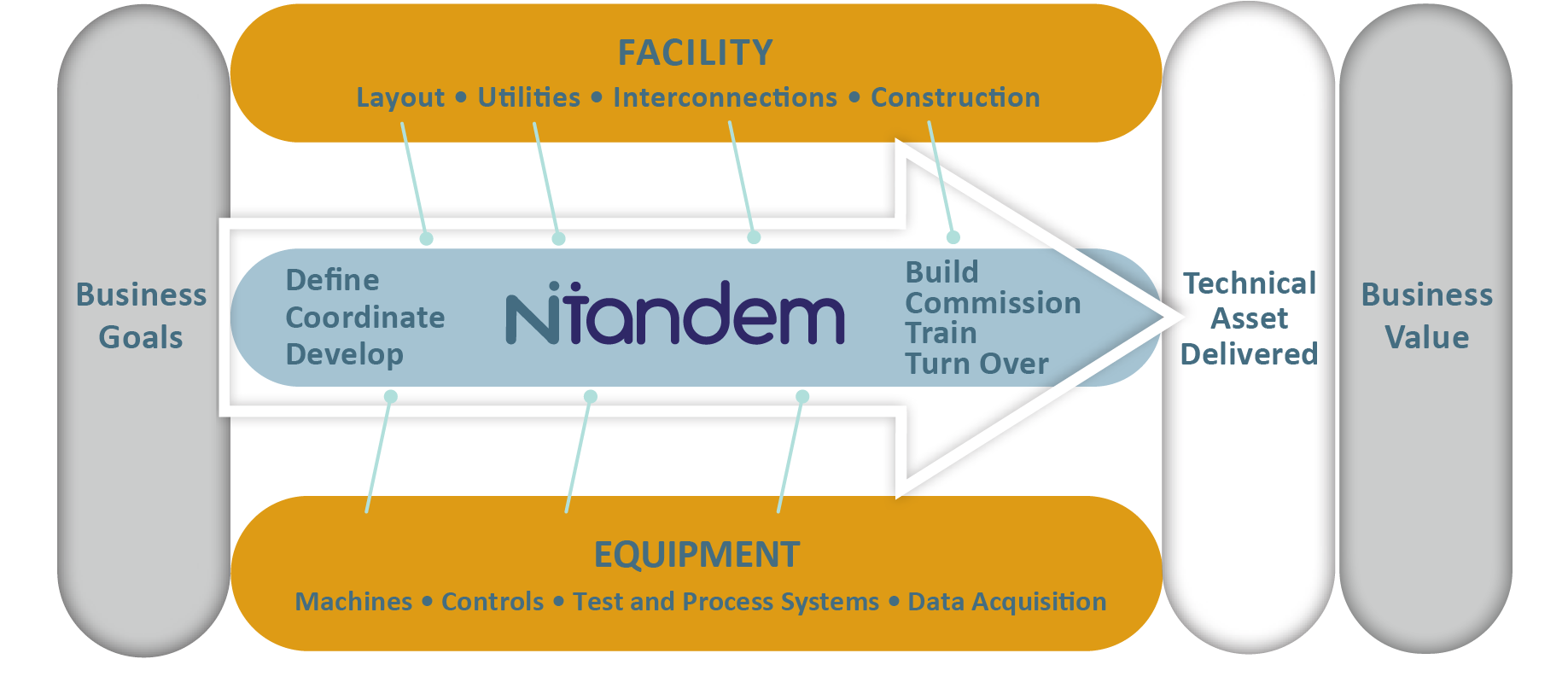
Electrified aerospace programs, from eVTOL testing to broader propulsion system innovation, introduce distinct testing challenges that demand strategic infrastructure decisions.
Design for Flexibility from Day One
The central reality of electrified flight is a “design-while-flying” philosophy. In this fast-paced environment, every test cycle generates fresh data that reshapes project requirements in real-time. To keep up, testing infrastructure must be inherently flexible, supporting everything from initial component validation to full systems integration without requiring a total overhaul. This agility ensures that every design pivot is anchored in proven, real-world performance.
Flexibility requires early planning: designing test stands and facility systems with adaptable operating windows, so a single stand can cover a range of test needs with minor modifications. By utilizing modular aerospace design principles, a single facility can handle diverse power requirements. This approach requires allocating additional space for modifications and control system adaptability, but less space than would be needed for separate test stands.
An upfront investment in flexibility reduces setup time and minimizes physical redesign work for every electrified aircraft project. The planning investment also pays back through the breadth of what-if scenarios that can be explored and leveraged in product development.
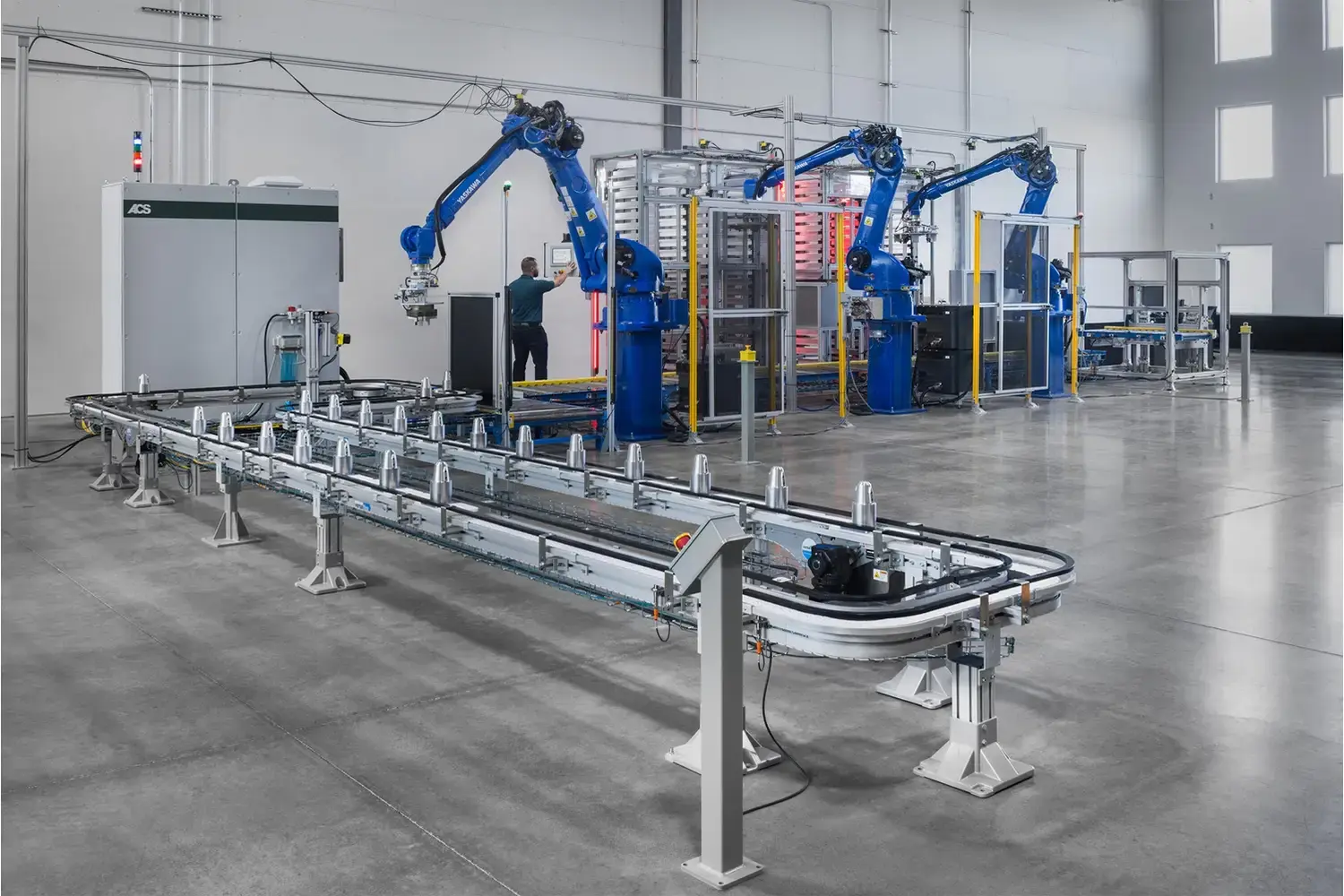
Apply the same modularity to data acquisition systems. Flexible, powerful systems that scale from focused testing to high-channel-count configurations, and integrate simulation models directly into test execution thereby speeding up the entire development process. Electrified propulsion testing thrives when data systems are as agile as the hardware.
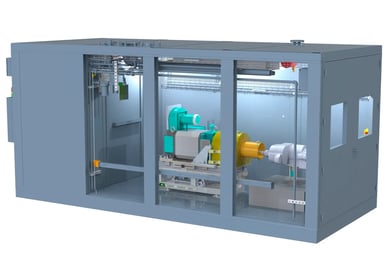
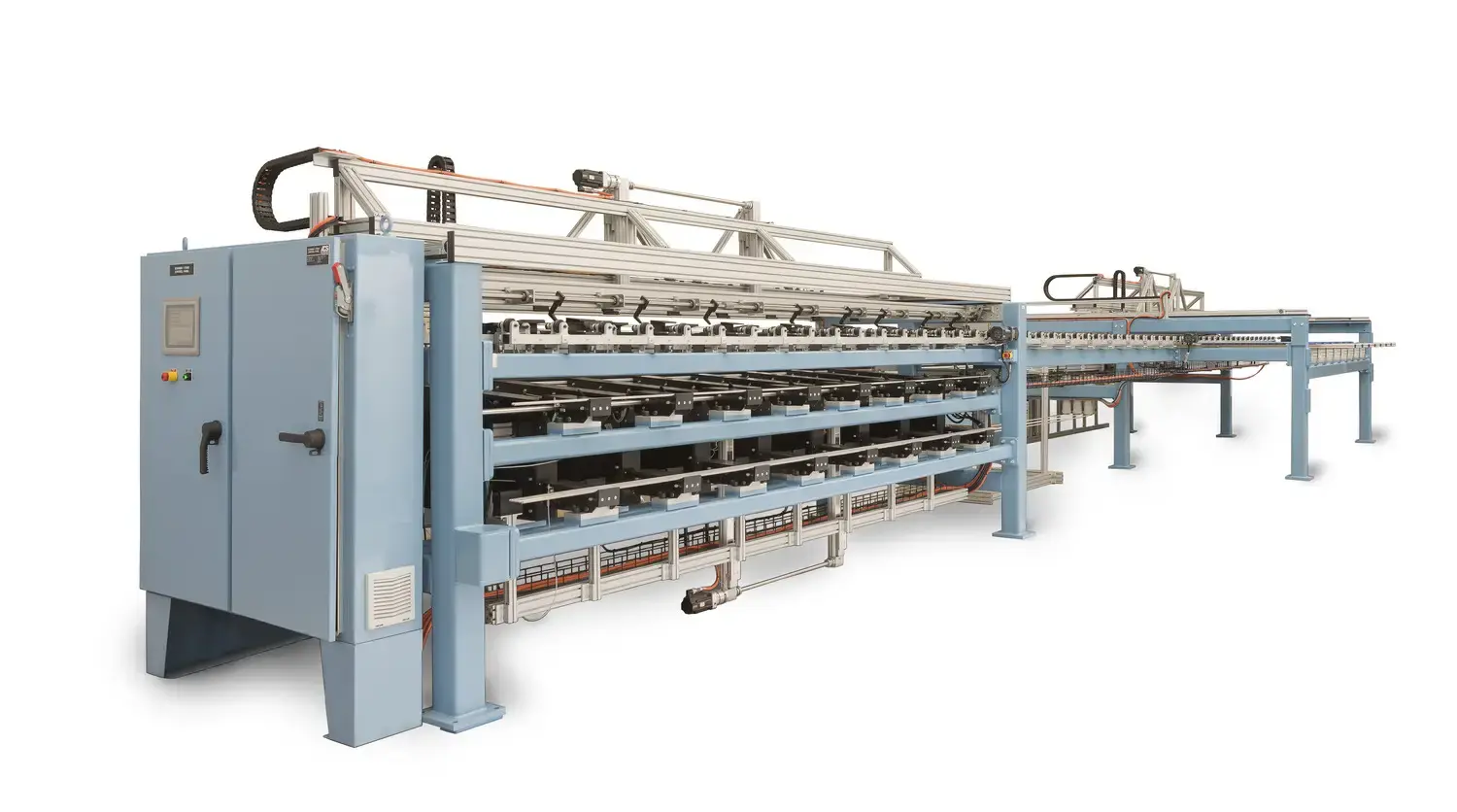
Flexible modular aerospace test systems deliver efficiency and adaptability. Reconfigurable setups enable testing multiple components in the same footprint by swapping modules rather than building parallel test cells or test benches. As technology and certification requirements develop, modular aerospace infrastructure is adaptable without wholesale replacement.
Managing Procurement Realities
The initial investments for e-propulsion and traditional propulsion testing are not drastically different; only the allocation of funds varies. Electrified propulsion testing requires electrical infrastructure and utility coordination, but not the fuel handling, exhaust management, and environmental permitting that traditional systems need.
The critical issue right now is lead time. Electrical infrastructure components for an electrified aircraft face significant procurement delays, especially at larger scales. Without early planning, equipment lead times become program bottlenecks. Utility capacity compounds this as securing adequate power can involve extended negotiations depending on customer size and the specific utility provider. Early assessment and procurement initiation are critical to protecting schedules.
Infrastructure Requirements Beyond the Test Stand
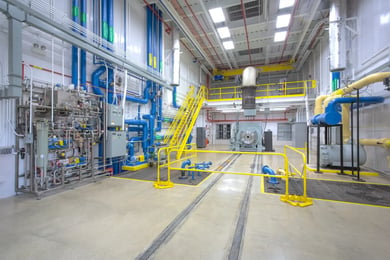
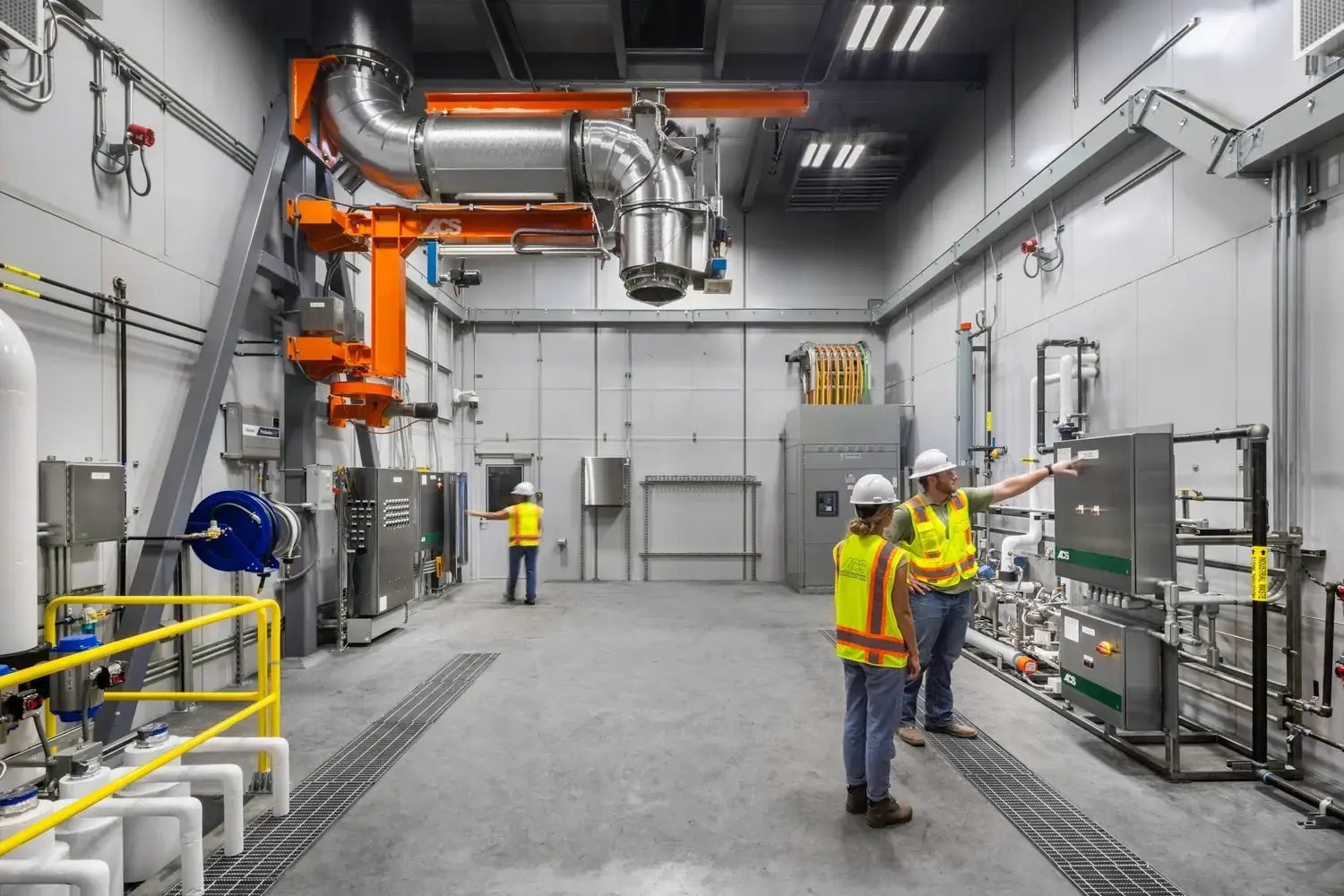
High-voltage systems, which are typically required for electrified propulsion to achieve the necessary power and energy capacities, introduce facility requirements that extend to the test stand. Three critical facility systems merit evaluation for high-voltage test programs:
- HVAC and thermal management handle heat loads that can be substantial depending on system configuration. Temperature control is necessary for accurate data capture and for maintaining system robustness during extended test runs.
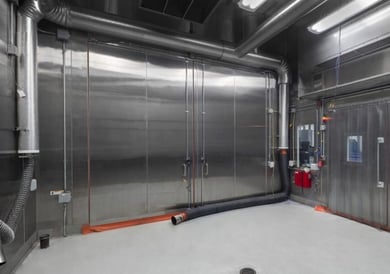
- Fire suppression requires different approaches: battery systems present distinct thermal event risks compared to fuel-based testing.
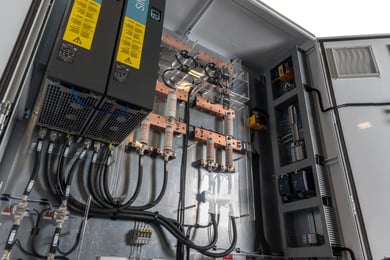
- Electrical distribution extends from basic power capacity to questions about energy management, such as burning off power through load banks versus regenerating it for facility use. The logistical and equipment requirements vary significantly based on electrical management requirements and decisions.
Most facilities can adapt for electrified aircraft testing through targeted upgrades. The key is assessing modification scope early. Understanding the short-term and long-term testing objectives, voltage ranges, energy capacities, and component robustness levels is necessary to determine whether facility adaptation is cost-effective or whether program scale justifies moving to a purpose-built infrastructure.
Strategic Infrastructure Enables Program Success
Infrastructure decisions determine whether electrified flight programs achieve certification timelines or face costly delays. The companies succeeding in this space treat test capability as a strategic enabler, building flexibility and modular aerospace components into facility design from the start. Early planning for adaptability and full infrastructure requirements protects certification schedules when development demands inevitably shift. As with most product markets, the electrified aerospace market rewards speed to certification. Strategic testing infrastructure investment is how to get there.