

Why a Certified Functional Safety Engineer Should Conduct Machine Risk Assessments
In today’s industrial landscape, safety is a top priority across sectors like manufacturing, construction, logistics, and energy. The machinery that powers operations offers great potential but also poses significant risks. To minimize these risks and safeguard both workers and machinery, machine risk assessments are crucial.
What is a Machine Risk Assessment?
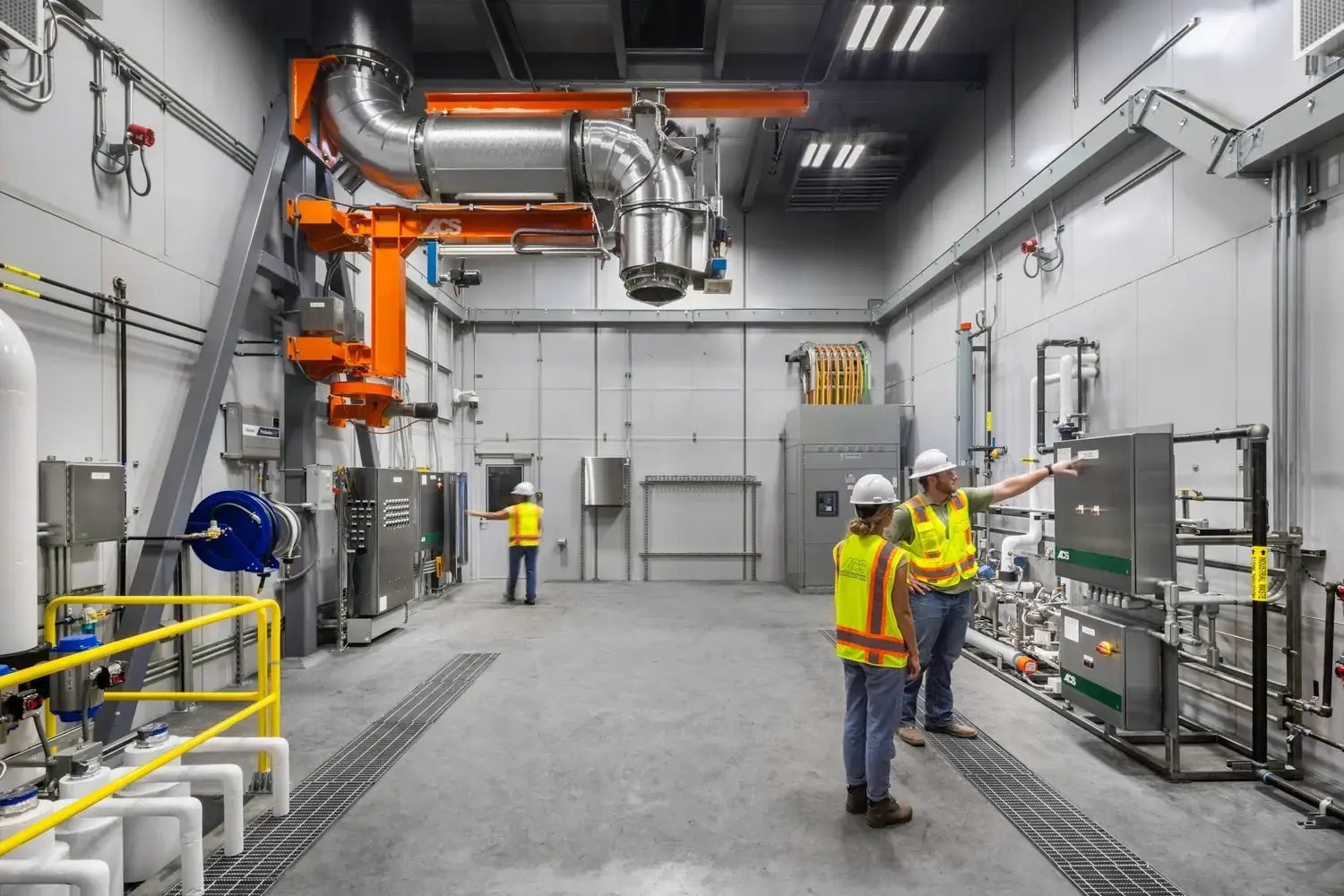
A machine risk assessment is a systematic process designed to identify and evaluate potential hazards associated with industrial machinery and automation systems. It is a proactive approach that helps businesses pinpoint areas where safety improvements are necessary, ensuring both the well-being of employees and the efficiency of the machines they rely on. Certified functional safety engineers use advanced tools like RASWin software to assess machinery, identify risks, and recommend mitigation strategies.
The Role of Functional Safety in Risk Assessments
Functional safety certification ensures that risk assessments are not only thorough but also adhere to strict industry standards designed to minimize liability. Certified functional safety engineers are trained to evaluate machinery in terms of both safety and compliance, identifying not just immediate hazards but also potential long-term risks. This certification helps businesses meet legal obligations and ensures that the engineers performing the assessments are qualified to protect the company from liability in the event of an incident.
Risk Assessment Benefits and Why They Matter:
- Preventing accidents and injuries – Industrial environments can be hazardous, especially with heavy machinery. Risk assessments help anticipate and address potential hazards, reducing the likelihood of accidents caused by malfunctions, operator errors, or inadequate safety measures. This protects employees and promotes a safer workplace.
- Ensuring compliance with safety regulations – Adhering to safety regulations is crucial to avoid fines and legal issues. Machine risk assessments help companies meet safety standards like those set by OSHA and provide documentation to prove compliance. Use of RASWin streamlines this process, ensuring businesses remain compliant with safety laws.
- Minimizing downtime and disruptions – Unexpected machinery failures can halt production, leading to costly downtime. Risk assessments identify potential issues before they cause breakdowns, reducing emergency repairs and keeping operations running smoothly.
- Enhancing efficiency and productivity – Safe machinery operates more efficiently, and workers can focus without fear of accidents or malfunctions. Risk assessments optimize machine performance by ensuring safety measures enhance, rather than hinder, productivity.
- Protecting long-term business interests – Regular machine risk assessments are an investment in the future. As technology advances and machinery becomes more complex, these assessments help businesses adapt by identifying long-term safety concerns. This proactive approach safeguards both workers and equipment as operations grow.
Safeguarding the Future with Machine Risk Assessments
In an increasingly automated world, machine safety is no longer just a matter of regulatory compliance—it’s a critical component of successful industrial operations. Companies that prioritize machine risk assessments are not only protecting their employees and equipment but also ensuring the long-term success and sustainability of their business.
At ACS, the industrial risk assessment process, led by certified functional safety engineers and powered by RASWin software, helps companies across diverse industries create safer, more efficient, and compliant workplaces. By proactively addressing potential risks, businesses can prevent accidents, reduce downtime, and optimize machine performance, ultimately safeguarding their future in today’s competitive industrial landscape.
Machine risk assessments aren’t just about fixing what’s broken—they deliver key industrial risk assessment benefits by building safer, more productive operations from the ground up, reducing accidents, improving compliance, and enhancing overall efficiency.