


What’s New in NVH Testing?
As vehicle designs evolve and experienced engineers retire, Noise, Vibration, and Harshness (NVH) testing is undergoing a transformation. Manufacturers are increasingly integrating real-world test data with digital twin vehicle models to support virtual prototyping, streamline development cycles, and preserve institutional knowledge.
NVH Technology Market Growth and Key Drivers
Demand for quieter, more refined vehicles continues to rise, driven by consumer expectations for comfort and stricter global noise regulations. In 2023, the NVH materials market was valued at over $13 billion, with the automotive sector accounting for half of that. The global noise vibration harshness testing market itself is projected to grow from $2.0 billion in 2021 to $3.5 billion by 2031. Key NVH technology growth drivers include the shift to Electric Vehicles (EVs), the use of lightweight materials, and advancements in testing technologies that enable more precise and efficient analysis.
Evolving NVH Electric Vehicles Testing Challenges
The rise of electric powertrains is reshaping NVH priorities. Without the masking effect of internal combustion engines, previously negligible noises from tires, body panels, interior components, and high-frequency sounds from electric motors become more prominent. Traditional noise vibration harshness testing methods are not always sufficient to address these new challenges.
To localize these new noise sources, engineers are adopting advanced technologies such as beamforming, which uses microphone arrays to visualize sound fields and accurately identify problem areas. This allows for more targeted design improvements earlier in development.
Lightweighting initiatives further complicate NVH technology. Modern composites and plastics may improve fuel efficiency, but also alter vibration characteristics. Conventional accelerometers can introduce mass-loading effects that skew results, making contactless measurement solutions like laser vibrometry an increasingly valuable tool for accurate vibration analysis.
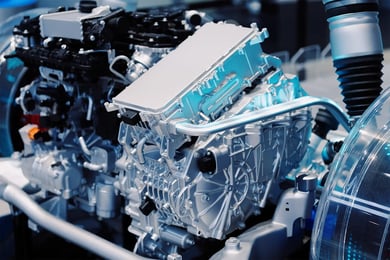
Electric powertrains introduce their own NVH electric vehicles concerns, such as tonal noises from motor windings, gear whine, inverter switching frequencies, and cooling systems. These require sensitive, high-resolution testing methods to ensure a quiet and comfortable driving experience.
Best Practices for Modern NVH Testing Facilities
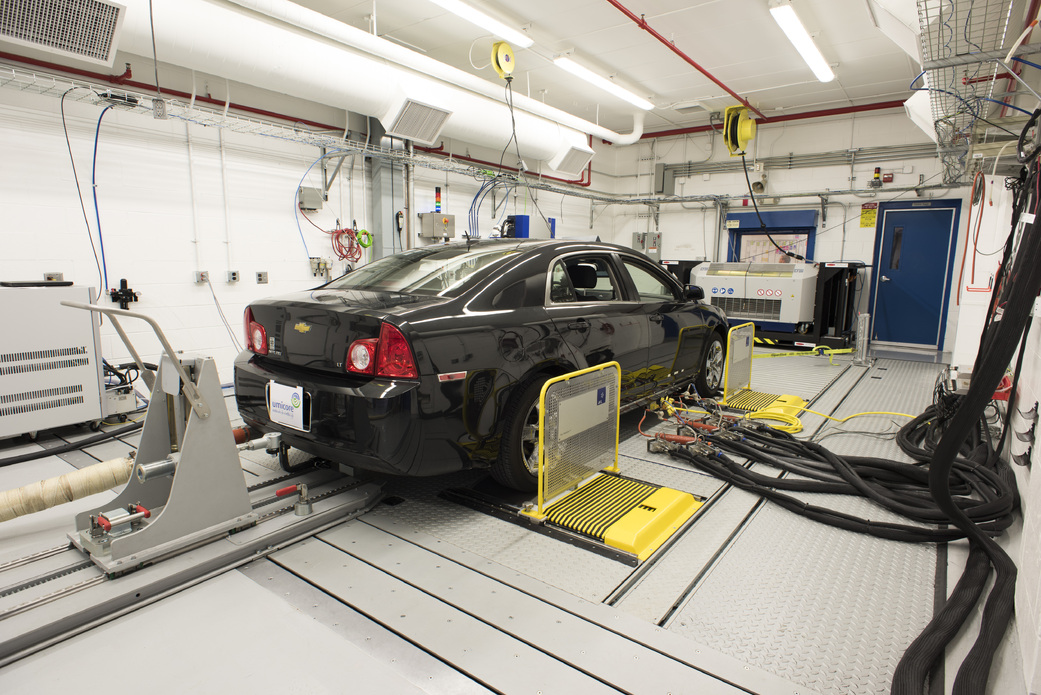
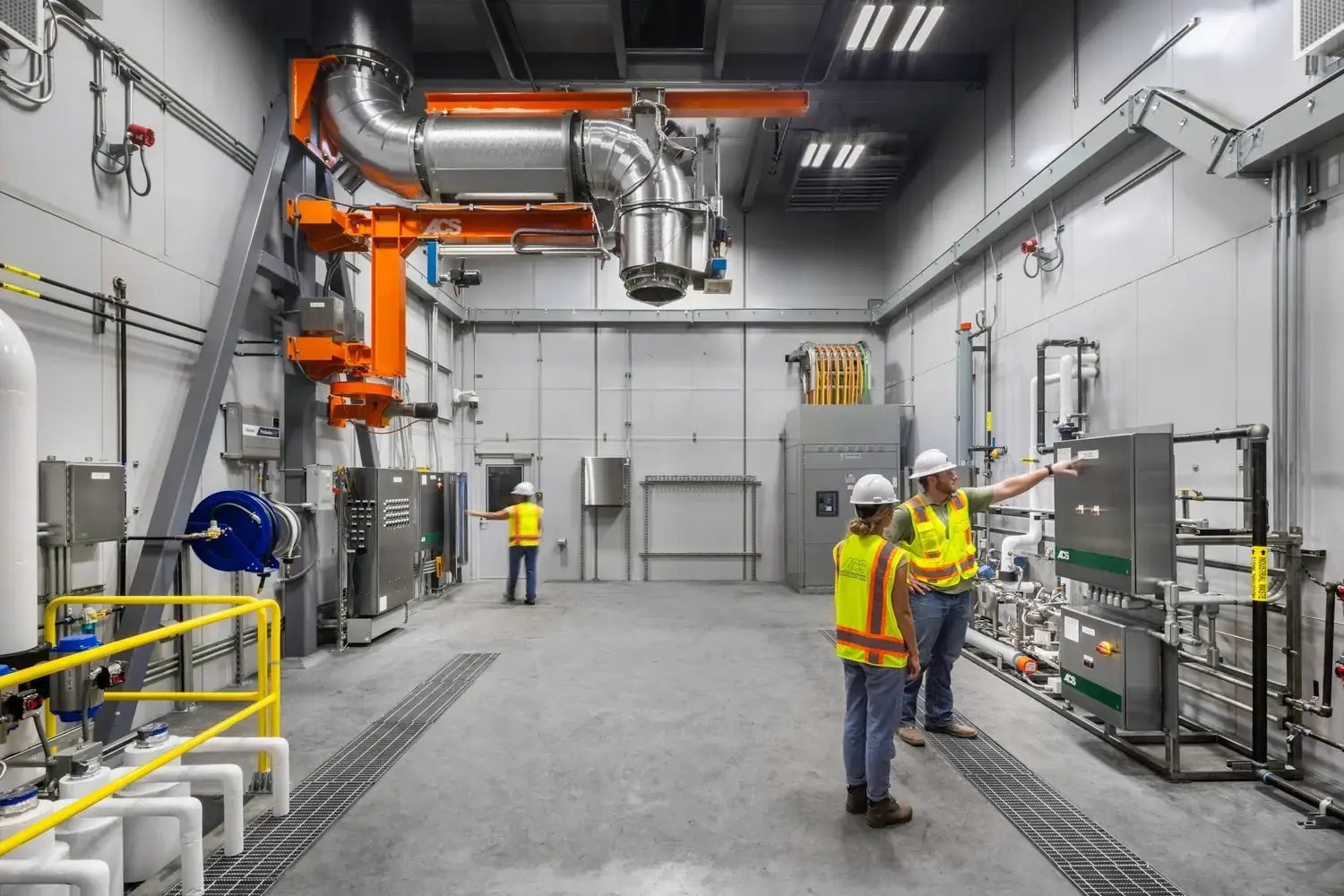
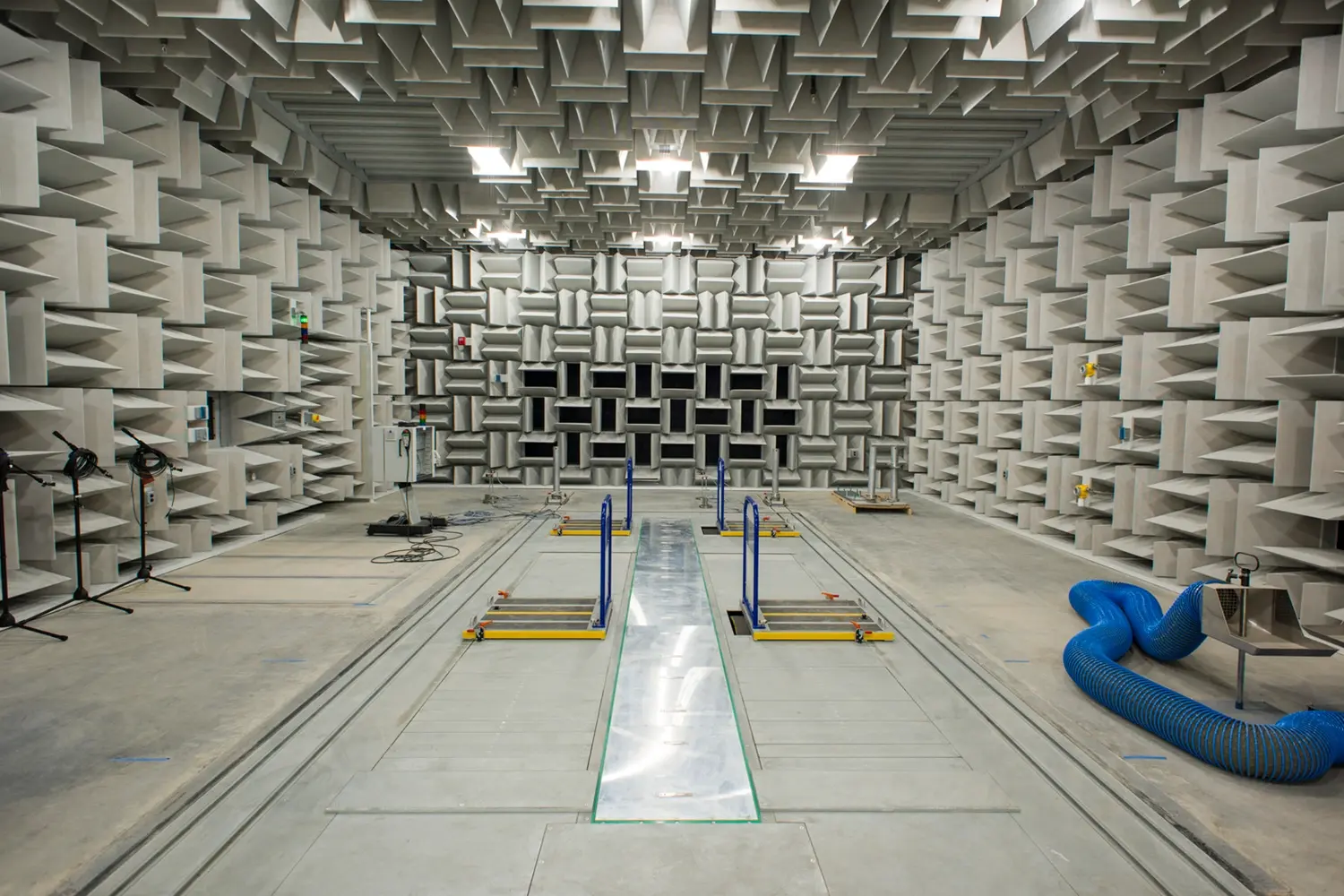
To meet evolving NVH demands, test facilities must be equipped with the right infrastructure and technologies. Clean power supplies, advanced filtering systems, and shielded cabling help minimize electromagnetic interference, ensuring high-quality data acquisition.
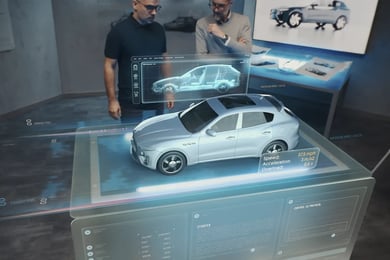
Digital twin vehicle technology is becoming essential. By merging real-world test data with simulation models, manufacturers can validate designs faster, reduce reliance on physical prototypes, and respond more quickly to design changes. This integrated approach not only speeds up development cycles but also enhances overall product quality.
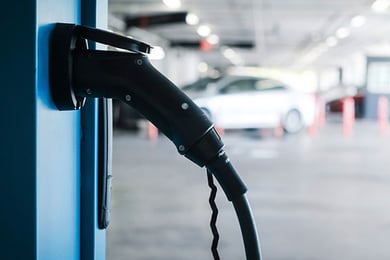
Electrification also influences facility design. While EVs reduce the need for engine exhaust ventilation, they require robust charging infrastructure, battery handling capabilities, and enhanced fire protection systems. These considerations are critical for ensuring safe and efficient testing operations.
As product cycles accelerate and vehicle architectures diversify, automation and flexibility are key. Modular, reconfigurable noise vibration harshness testing setups enable manufacturers to adapt quickly without costly facility overhauls. Modern NVH labs must be designed for versatility, supporting a broad range of test scenarios while integrating seamlessly with simulation tools and future technologies.
By embracing these best practices, manufacturers can ensure their NVH Technology capabilities keep pace with industry demands, delivering quieter, more comfortable vehicles in an increasingly competitive market.
Read our white paper to learn more about current trends and technologies in NVH testing.