


The Transition to Automotive Sustainability Requires More Efficient Power Solutions
The automotive sector is undergoing a significant transformation. While there have been impressive advancements in Internal Combustion Engine (ICE) technology, this approach is gradually becoming outdated as the industry shifts towards battery-powered Electric Vehicles (EVs). However, this transition to EV adoption is still very much a work in progress. For the shift to quicker, more sustainable, and cost-effective energy solutions to be successful, it’s essential to align power generation with environmental automotive sustainability.
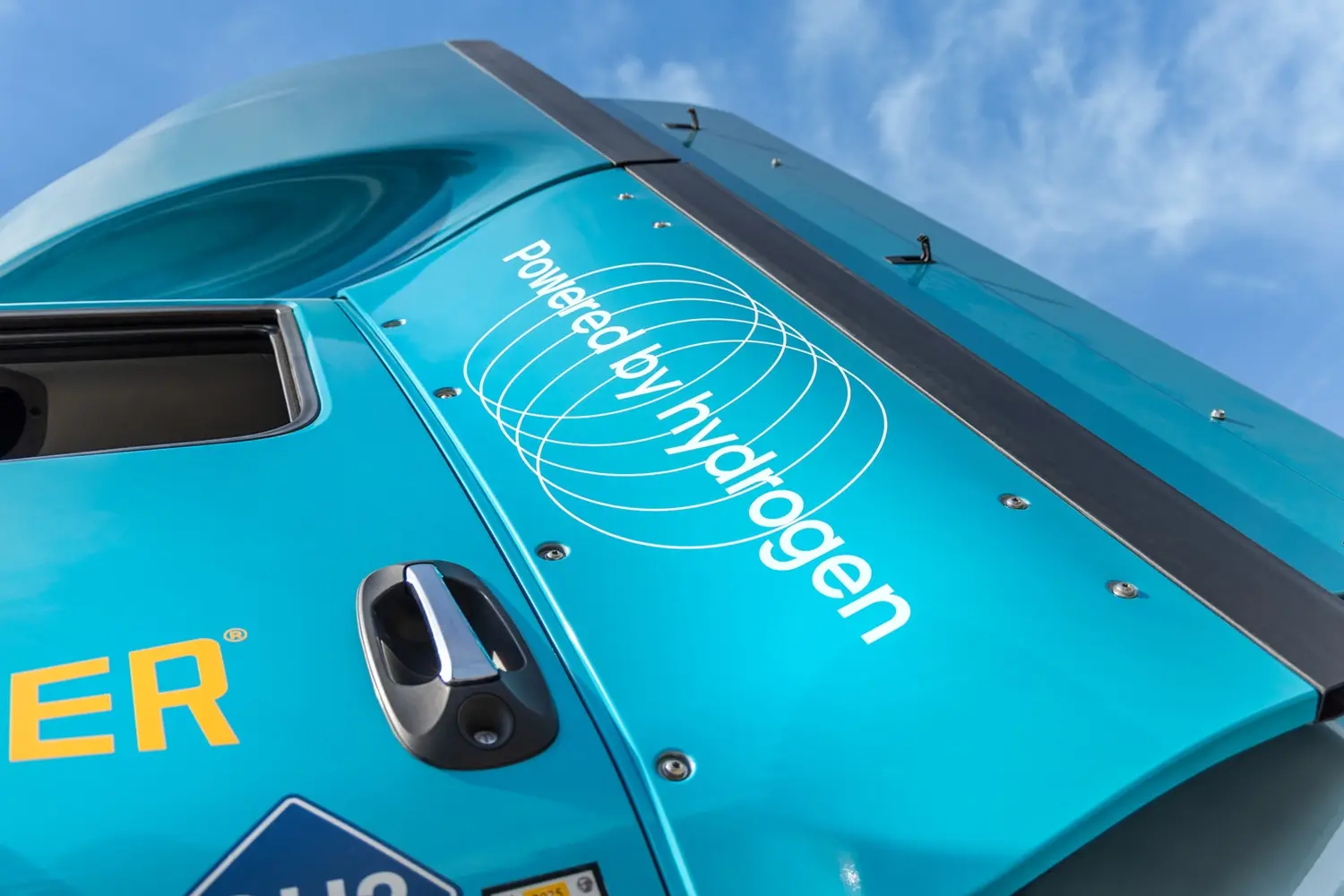
Research is actively exploring different alternative fuels for cars, including hydrogen combustion, biodiesel, methanol, and other eco-friendly natural gases, to address the environmental concerns associated with traditional energy sources. The primary goal is to enhance the driving range of these new technologies so that it meets or surpasses the performance of conventional gasoline and diesel vehicles. Navigating the automotive sustainability transition effectively presents a considerable challenge for an industry of this scale.
In the article published in IEEE Computer Society, “The Road To More Efficient, Sustainable Power In The Automotive Industry,” Mike Daugird, Facility Engineering Manager, discusses the demand for greener, more efficient power solutions in the automotive industry. The article focuses on:
- Demand for automotive sustainability – The automotive industry is driven by consumer demand and regulatory pressures for greener solutions, with Electric Vehicles (EVs) leading the way due to advancements in battery technology and government incentives; however, alternative fuel options like hydrogen and biodiesel are also being explored to complement traditional powertrains. Balancing rapid innovation with cost-effectiveness is crucial, especially as vehicle prices rise and the need for sustainable, economically viable technologies increases.
- Challenges with different alternative fuels for cars – The automotive industry encounters challenges in alternative fuels, including EV adoption carbon footprint and infrastructure issues, hydrogen combustion’s safety hurdles, and the limited use of propane and compressed natural gas. While methanol and nuclear power present opportunities, they carry toxicity and sustainability concerns, emphasizing the need for careful management of environmental risks and safety standards in the shift to greener energy solutions.
- Automotive sustainability industry standardization – The future of automotive power relies on government support, research, and effective leadership to establish industry standards and drive sustainability. Leaders must align organizational goals with environmental and economic realities, while supportive policies enhance R&D and technology adoption. Long-term sustainability requires a commitment to integrating sustainability, efficiency, and safety, supported by predictive analytics to ensure environmental compliance.
The automotive industry’s transition to efficient, eco-friendly power solutions requires careful balancing. Accurate carbon footprint assessments are crucial for understanding the environmental impact of electric vehicles. While government policies and subsidies promote different alternative fuels for cars, standardization and infrastructure upgrades are equally vital. Strong leadership and a clear vision are essential for navigating these challenges while pursuing automotive sustainability, as the future of sustainable energy depends on effectively managing interconnected issues while remaining adaptable in a changing market.
Read the full article here.