



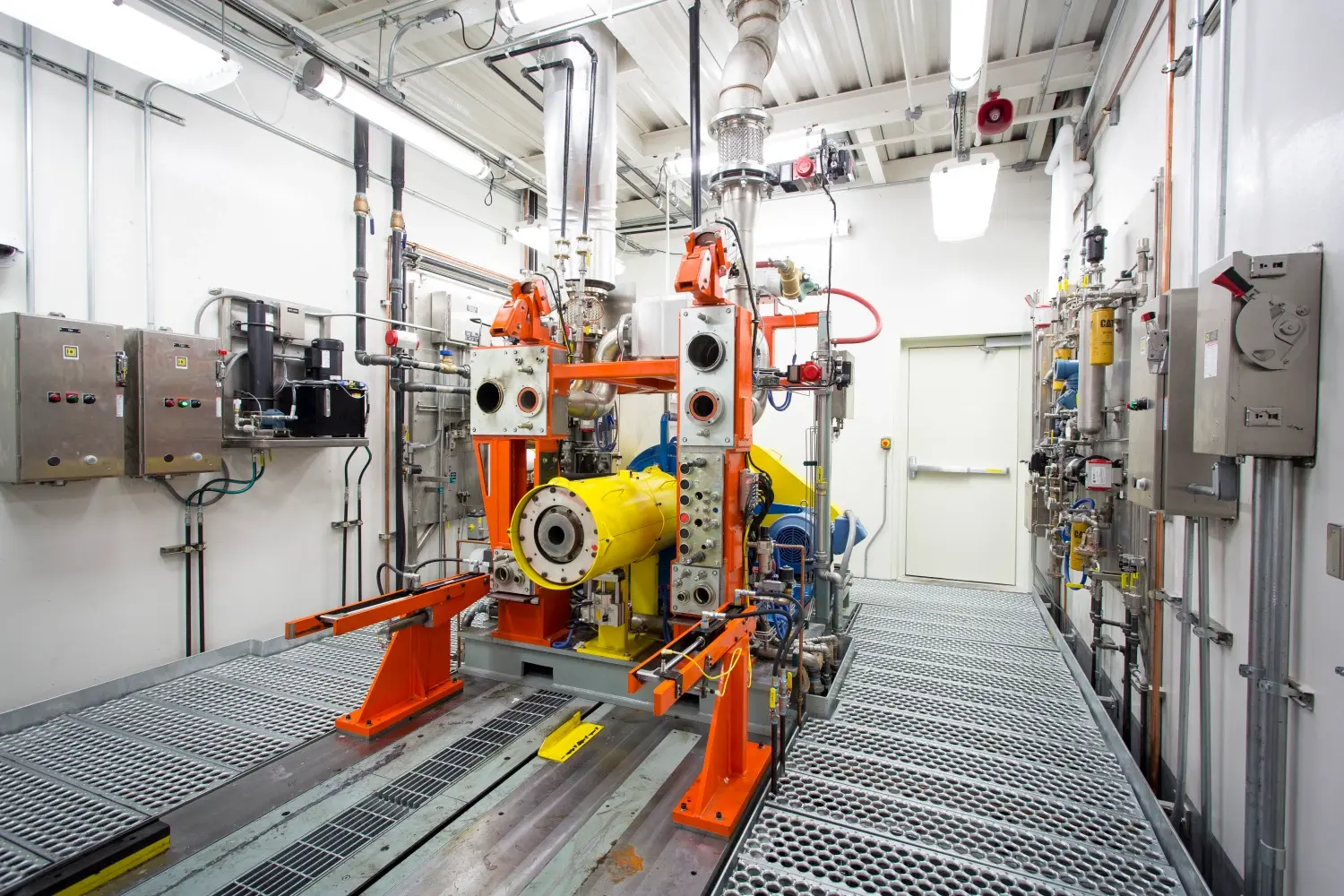
Future-Proof Your Off-Highway Equipment: A Modular Approach to Testing
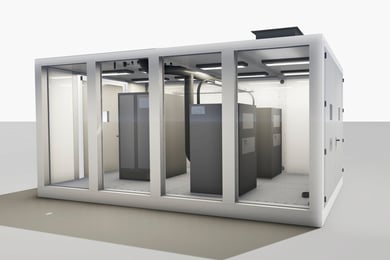
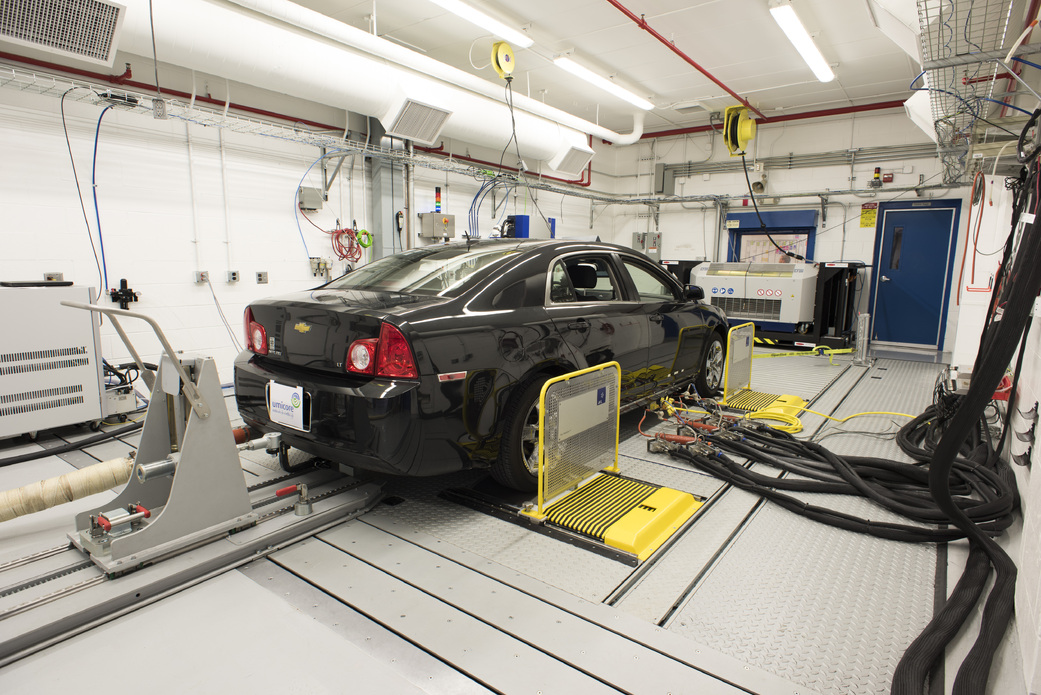
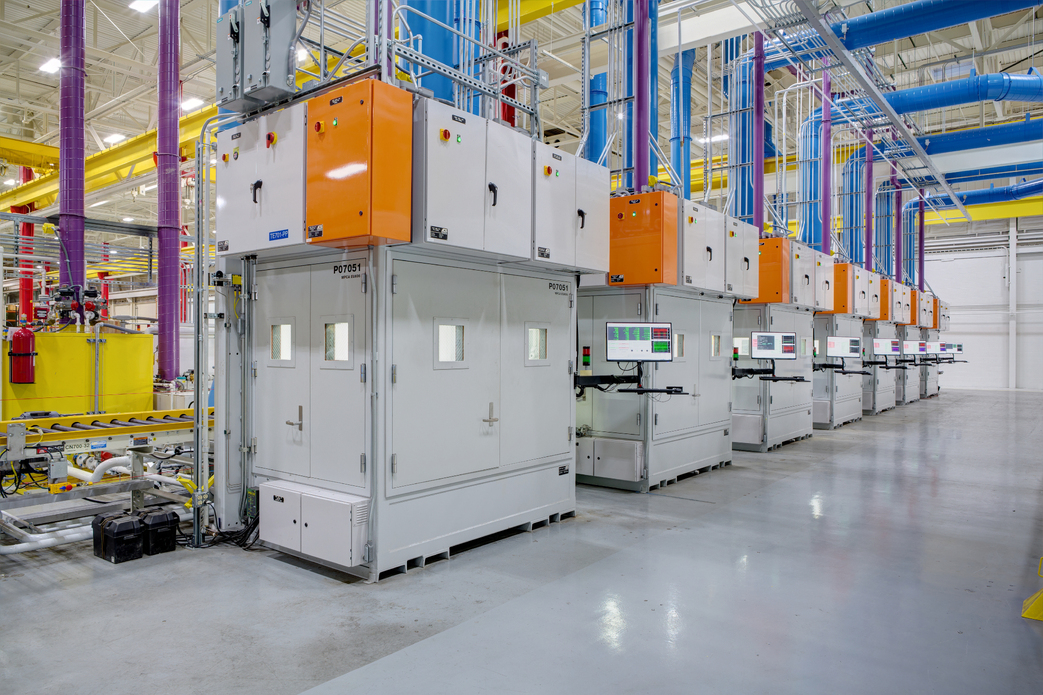
The off-highway equipment industry is constantly changing due to evolving regulations, consumer demands, and new technology. To stay competitive, OEM testing investments must be rethought, prioritizing flexibility and future-proofing over a single solution. Unlike the late 20th century, when test labs for off-highway equipment were built to last decades and focused solely on combustion engines, today’s market requires an adaptable, modular testing framework to address the rise of electrification, hybrid powertrains, and alternative fuels.
The move to electrification significantly impacts modular testing framework requirements. Engineers are now focused on new areas like battery chemistry and inverter logic, moving away from traditional fuel and emissions measurements. This shift, along with the rise of alternative and hybrid fuels, requires new OEM testing methods and equipment. For example, environmental and thermal testing is now crucial for high-voltage systems in off-highway equipment to ensure safety and validate complex systems like battery management systems under extreme conditions.
In addition to new propulsion technologies, the off-highway equipment industry is being transformed by AI, IoT, and cloud computing, which are changing how equipment is designed and tested. The rise of autonomous vehicles presents new challenges, requiring OEM testing methods that can handle unpredictable software behavior. At the same time, fragmented and frequently updated regulations from groups like the U.S. EPA and the EU are increasing pressure on OEMs to conduct faster, more efficient OEM testing.
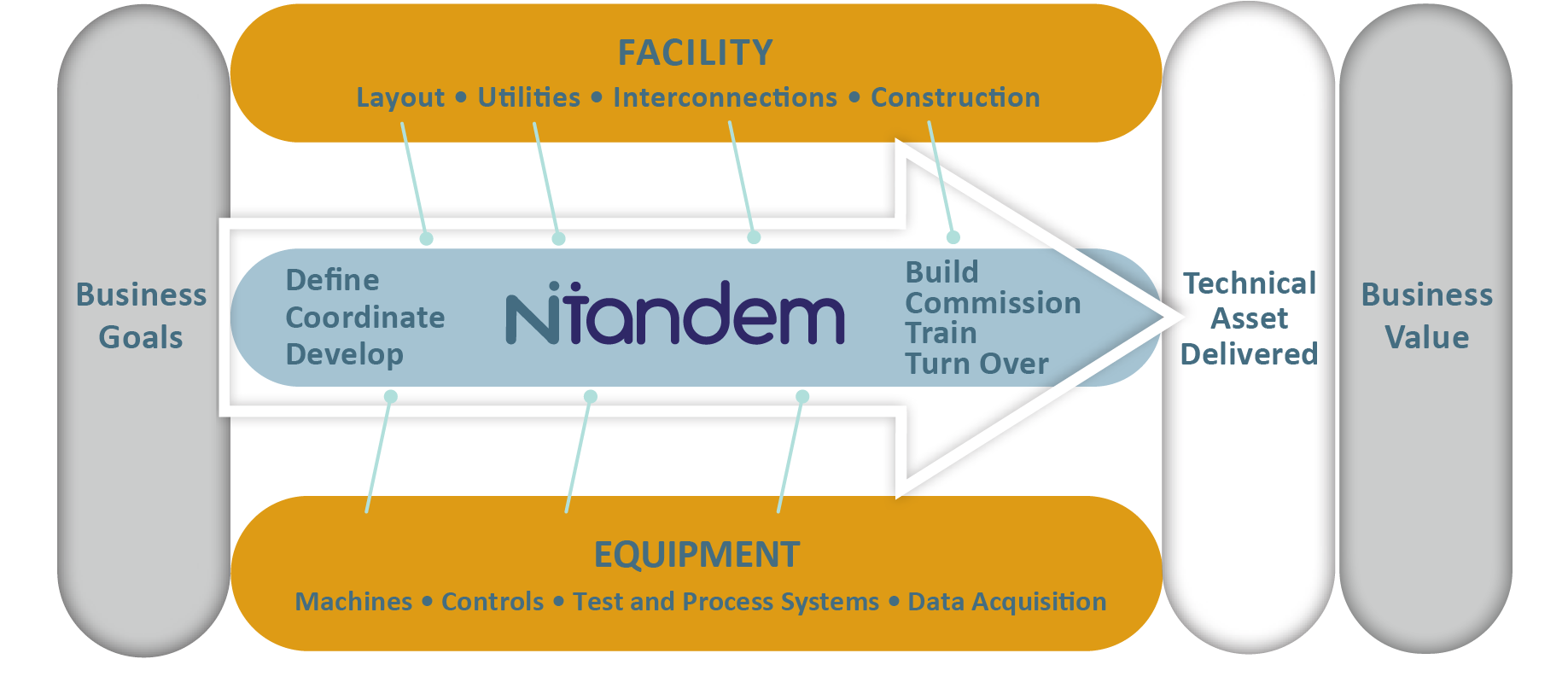
To navigate this complex landscape, OEMs must prioritize flexibility and efficiency. Committing to a single technology, whether an ICE or a new battery system, is risky and can lead to obsolete facilities and costly retrofits. As noted by Chris Arnold, Managing Director, ACS Michigan, in the article “Future-Proofing Test Facilities: Building with a Modular Approach Helps Create a More Agile Test Environment” published in Power Progress, a modular approach to testing infrastructure is the solution. It allows facilities to be easily reconfigured and expanded to accommodate new technologies and regulations, ensuring that OEMs remain agile and competitive in a rapidly evolving market. This approach requires close communication between product development, engineers, and designers to create facilities that are adaptable from the ground up.
Investing in a modular testing framework for off-highway equipment is a long-term commitment, so it’s crucial to design for adaptability from the start. OEMs who plan for regulatory unpredictability and rapid technological changes can lower lifecycle costs and remain competitive. This requires not only robust infrastructure but also a company culture that embraces uncertainty. By making adaptability a strategic imperative, OEMs can ensure long-term success.
Read the full article here.