

The Importance of Automation Integration When Implementing Automation Trends
Automation is transforming testing and manufacturing by streamlining processes, enhancing precision, and improving safety. However, the complexity of designing and integrating automated systems can prevent manufacturers from fully benefiting.
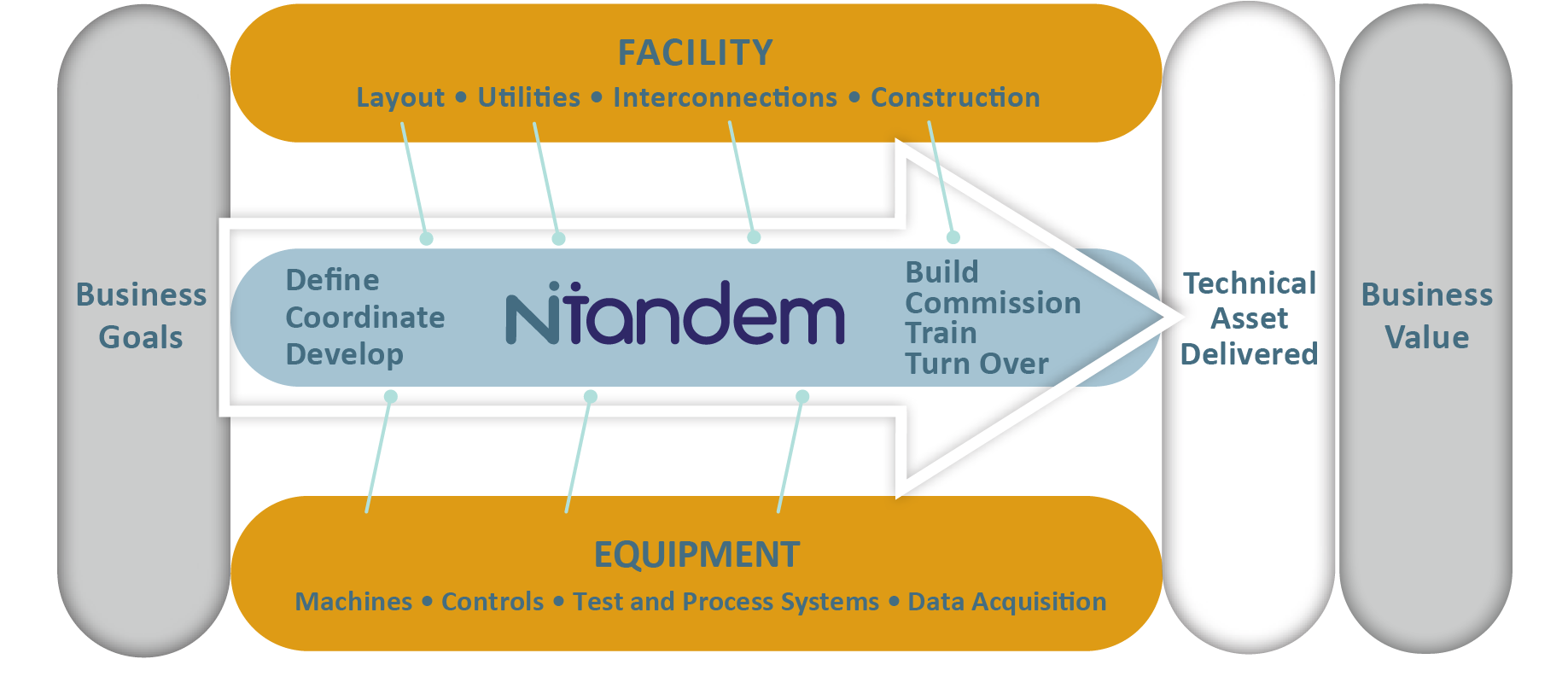
Systems integrators play a key role in guiding companies through automation hardware and software choices, while balancing trends, goals, and constraints. To maximize the return on automation investment, it’s vital to start with Front End Planning (FEP), guided by an experienced systems integrator skilled in creating optimized, automated systems. Without this approach, starting with equipment selection often leads to inefficient, costly systems, missing the chance to develop a cohesive, cost-effective solution.
In the Control Engineering article “How Demanding Automation Trends Make Integration Planning Essential,” Andrew Harris, I&C MI Team Lead | Director of Business Development – Controls, and Matt Thiel, Director, Integration Engineering, discuss the automation trends pushing process modernization, and how front end planning is the cornerstone of successful automation integration.
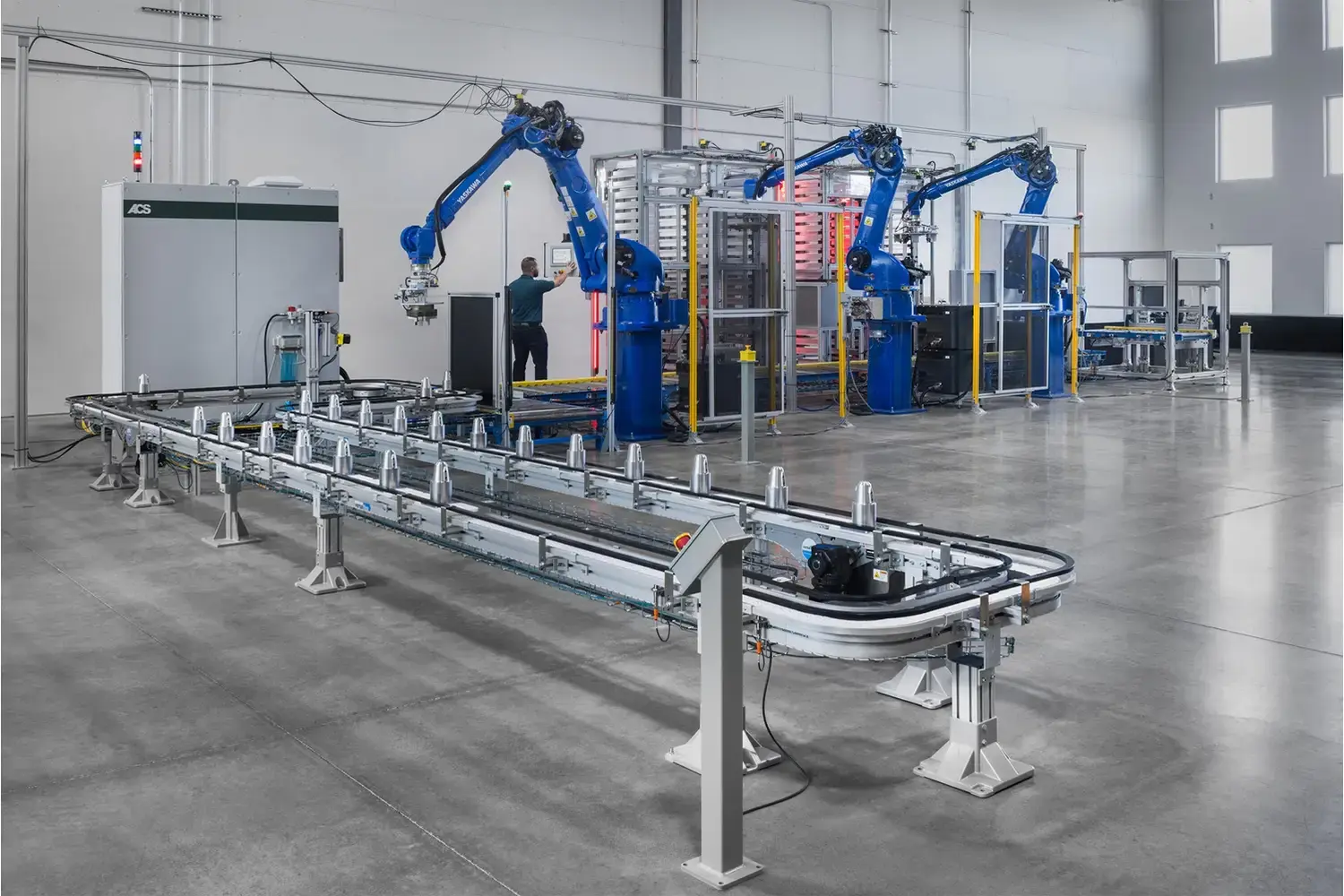
- Trend #1: Modernizing Aging Production Lines – Manufacturers often struggle to integrate modern technologies into outdated facilities. Without understanding advancements they risk adopting constraining solutions. Robotics options such as cobots, safety sensors, and EtherCAT offer benefits but can be challenging to retrofit in older systems. A strategic plan, guided by a systems integrator, helps balance objectives, risks, and costs, ensuring the right approach to upgrading with new technologies.
- Trend #2: More and Better Data – Advanced sensors are revolutionizing data collection by providing more precise measurements, greater control resolution, and a wider variety of data points, enabling manufacturers to refine processes and accelerate R&D cycles. Improved data processing tools, incorporating AI and machine learning, transforming raw data into actionable insights, automating experimentation, predicting maintenance needs, and optimizing production lines in real-time.
- Trend #3: Simulation Models – Simulation models reduce risk and costs in automation by validating outcomes, identifying design gaps, and optimizing performance. They also serve as references for installed equipment. Effective simulations require expertise in both process knowledge and simulation technology, helping systems integrators assess their value for each project, as not all projects need them. Careful research and vetting of integration partners are essential.
- Trend #4: Heightened Cybersecurity Imperative – As automation increases, industrial facilities become prime targets for cyberattacks, leading to significant downtime and financial losses. Regular cybersecurity assessments and secure design choices are essential to balance performance and risk.
Manufacturers react differently to automation integration and the new automation trends. Some adopt new technologies without assessing integration risks, resulting in fragmented, underperforming systems, while others avoid change and fall behind. A balanced approach involves engaging a systems integrator for front end planning, ensuring the design of automated systems aligns with the company’s budget, goals, and constraints. A specialized integrator ensures interoperability across all automated systems, unlocking automation’s full potential for streamlined processes, innovation, quality, and profitability.
Read the full article here.