The Role of Sustainable Aviation Fuels in Shaping the Aerospace Market
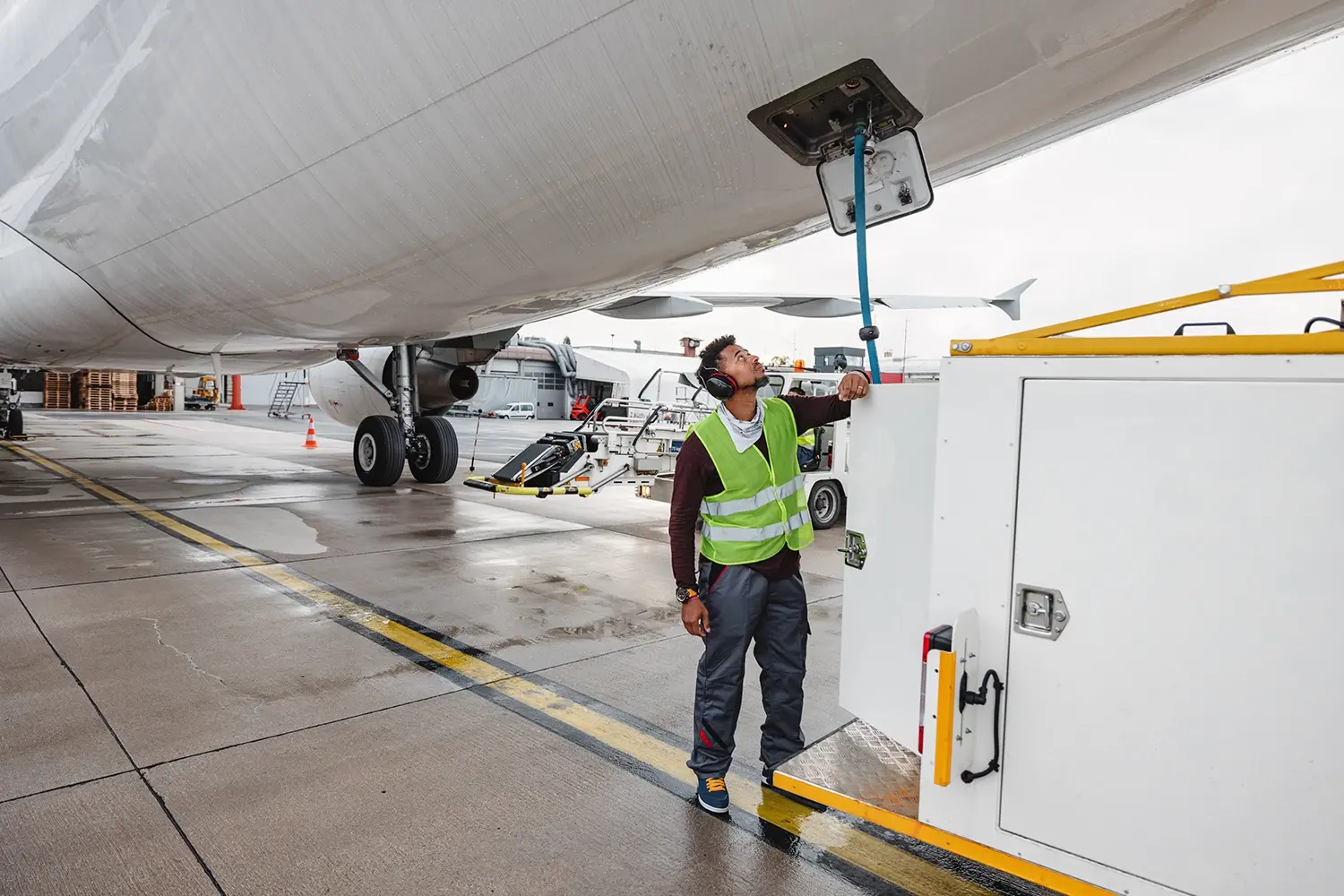
The regulatory and commercial environments are collaborating to increase production and use of Sustainable Aviation Fuels (SAF). The European Union’s goals to reduce net emissions have set ambitious targets for the aviation industry. Its goal for 2025 is for two percent of all aviation fuel used on flights departing the EU to be SAF, with a six percent goal by 2030. New market research on the SAF industry projects that the global SAF market will see 32.34 percent compound annual growth rate and grow from $2.23 billion in 2023 to $16.47 billion by 2030.
Despite slow growth in SAF production, market research suggests that public-private partnerships and investments are strengthening infrastructure development and technological advancements. To prepare for growing use of sustainable aviation fuels, aerospace companies can begin by testing various SAF blends in their existing engines and systems. Making infrastructure modifications to existing test cells now can ensure seamless scalability to meet future demand.
SAF Testing Infrastructure: Fuel Handling and Distribution Considerations
Sustainable aviation fuels can be tested in Jet-A fuel test cells as drop-in replacements. However, distributing and handling SAFs may require infrastructure adjustments, depending on the fuel quantities needed for testing and the test cell’s separation from the existing fuel distribution system.
Testing Sustainable Aviation Fuels in Low Volumes: Research-Scale Considerations
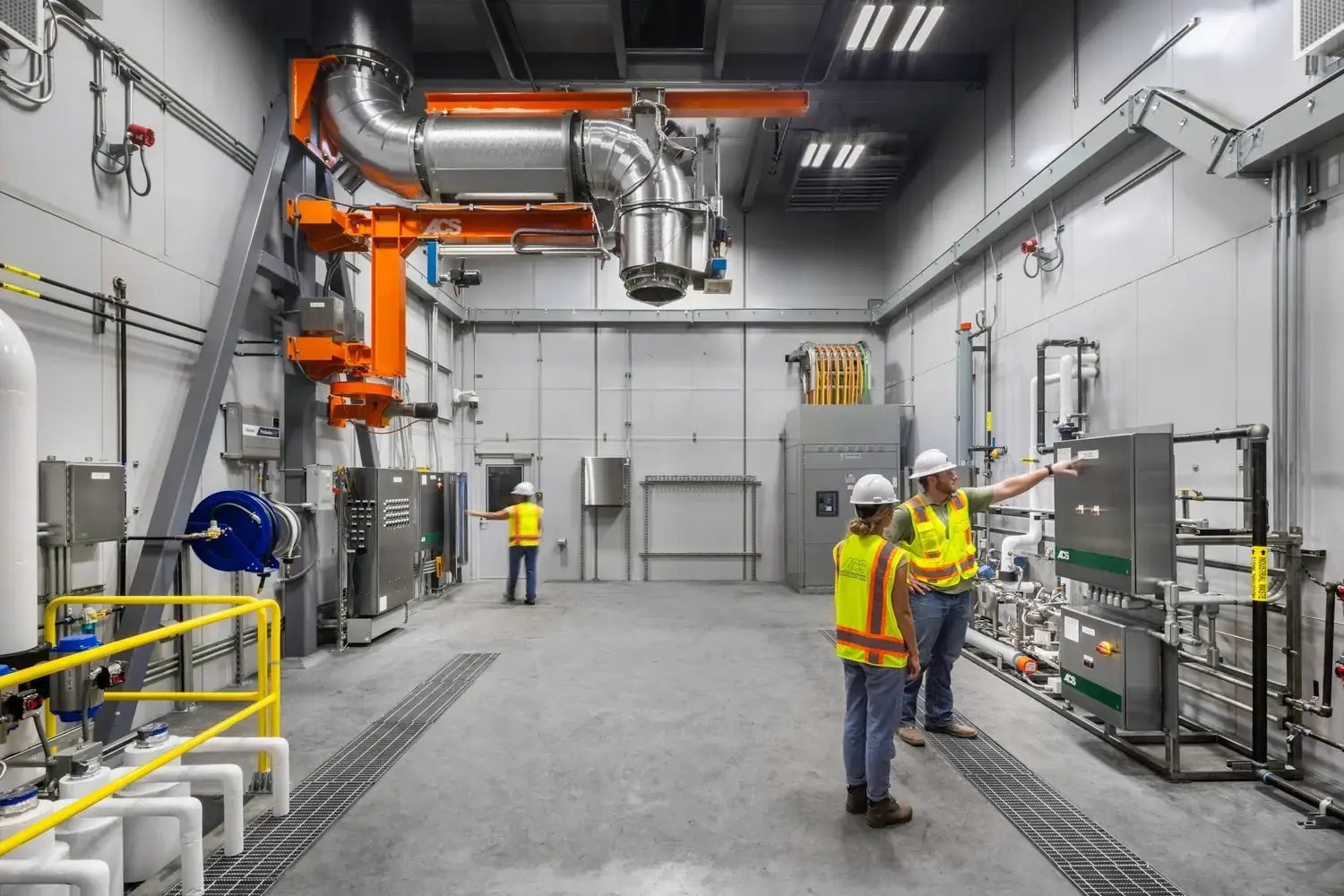
For research and development teams working with small fuel volumes, you will probably need only minimal infrastructure modifications. Localized day tanks and existing piping can support initial testing. Minor upgrades, such as new process controls to flush fuel lines between SAF blends, can help prevent cross-contamination and ensure testing integrity.
Scaling Up: Infrastructure for Small-Scale SAF Production Testing
Small-scale production testing introduces more complexity. Larger storage tanks, additional pumps and piping, and process controls are necessary to handle greater fuel volumes. Operators will flush lines less frequently than in R&D, but still as needed to change SAF blends on production test articles. A key consideration here shifts from basic feasibility to scalability. Designing systems with scalability in mind improves seamless transitions as aviation fuel testing volumes grow.
Meeting Demand: Challenges in Large-Scale SAF Testing Infrastructure
Large production facilities will likely require larger investments in infrastructure. These organizations should conduct comprehensive assessments of existing fuel farms, distribution, and fuel waste management capabilities. Upgrading to add isolated SAF infrastructure could be costly. Taking a phased implementation approach would allow organizations to balance technical needs with budget constraints, while creating a foundation for greater SAF adoption in the future.
Universal SAF Testing Considerations
Regardless of fuel volume or aviation fuel testing type, SAF testing requires monitoring metrics similar to those for Jet-A fuel. Additional data acquisition sensors may be necessary to track SAF-specific factors like emissions.
Safety requirements align with traditional fuels but could involve updated waste handling procedures. To prevent cross-contamination, isolating SAF testing with dedicated fuel lines may be essential—though potentially costly. These adjustments support accurate, safe testing without compromising testing results and other operations.
Strategic Planning for SAF Testing Success
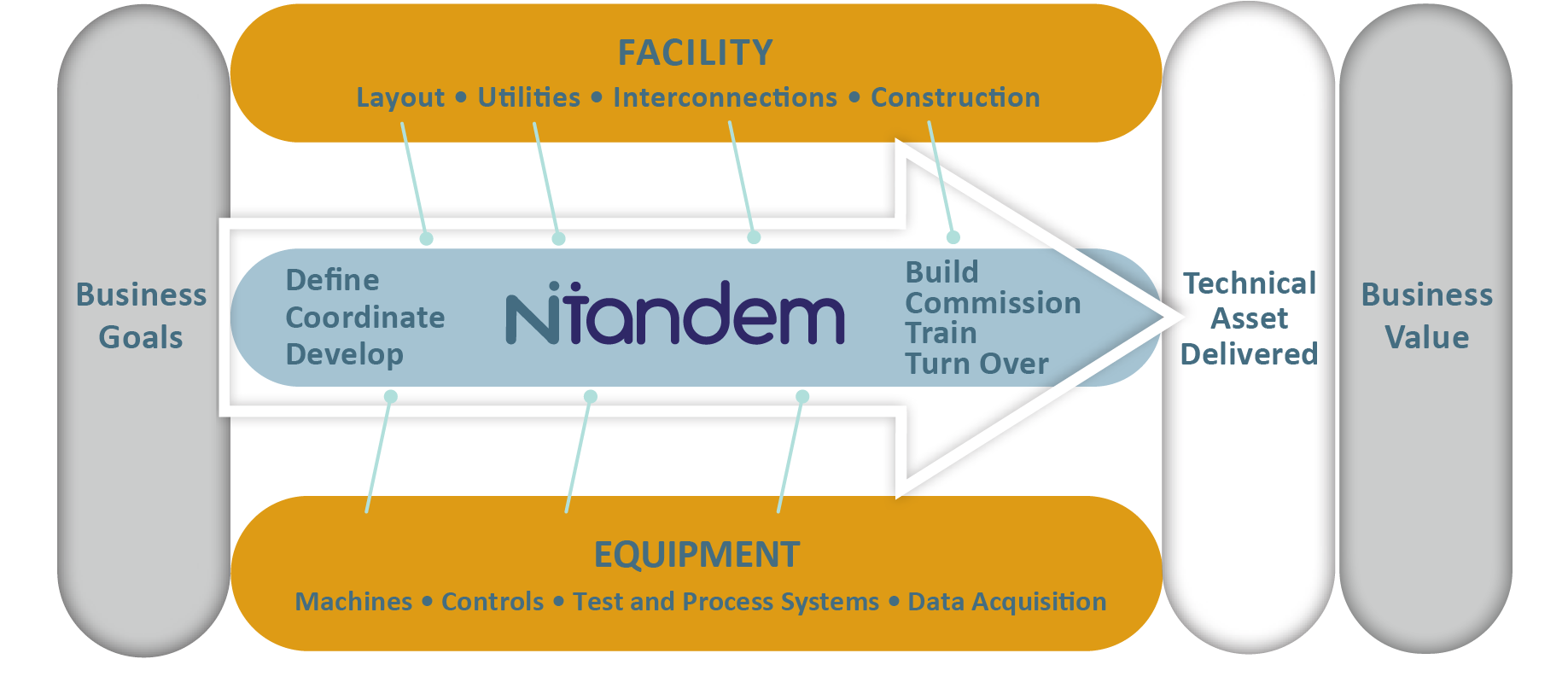
Preparing test facilities for SAF requires a tailored approach based on existing infrastructure and expected aviation fuel testing goals. Our Front End Planning (FEP) process provides companies a clear, customized path forward by evaluating facility needs, assessing costs, and identifying potential phasing strategies.
During the FEP process, ACS engineers would work with you to examine your fuel storage requirements, delivery systems, and contamination risks to develop a realistic timeline and budget. This preliminary exploration helps aerospace organizations make informed decisions by documenting enough detail to present a realistic case for SAF test programs without over-committing to unnecessary upgrades.